

What Is PCOS and Why It Is Important to Understand It
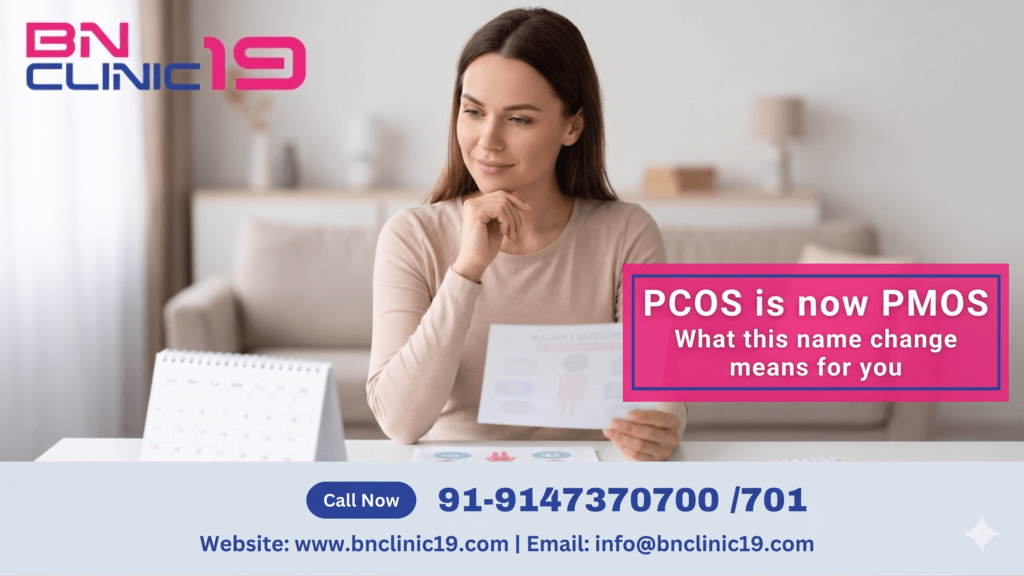
Polycystic Ovary Syndrome, commonly known as PCOS, is one of the most common hormonal disorders affecting women of reproductive age. It is a complex condition that affects the ovaries, hormones, metabolism, and overall health. PCOS can impact menstrual cycles, fertility, weight, skin health, and emotional well-being. Despite being very common, many women remain undiagnosed or unaware of the condition. Early understanding and diagnosis are important because untreated PCOS can lead to serious long-term health complications. The condition is closely associated with hormonal imbalance, particularly involving excess androgens, which are male hormones present in small amounts in females. The ovaries may also develop multiple small follicles, which can affect normal ovulation. Medical organizations such as the World Health Organization recognize PCOS as a significant health concern affecting millions of women worldwide. Understanding PCOS helps women recognize symptoms early and seek appropriate treatment to manage the condition effectively and maintain long term health.
Understanding How PCOS Affects the Female Body
PCOS primarily affects the endocrine system, which controls hormone production and regulation. Hormones play a critical role in regulating menstrual cycles, ovulation, metabolism, and reproductive health. In women with PCOS, hormone levels become imbalanced, especially androgens and insulin. Elevated androgen levels interfere with the normal development and release of eggs from the ovaries. This can lead to irregular or absent ovulation, which affects fertility. Insulin resistance is another common feature of PCOS, where the body cannot use insulin effectively. This leads to increased insulin levels, which further disrupt hormone balance and contribute to symptoms such as weight gain and irregular periods. The condition also affects metabolism, increasing the risk of diabetes and cardiovascular problems. Understanding how PCOS affects the body helps explain why symptoms vary widely among different individuals.
Common Symptoms of PCOS Every Woman Should Know
PCOS symptoms can vary in severity and may develop gradually over time. One of the most common symptoms is irregular menstrual cycles. Women with PCOS may experience infrequent periods, prolonged cycles, or complete absence of periods. Excess androgen levels can cause physical symptoms such as acne, excessive facial or body hair, and thinning hair on the scalp. Weight gain or difficulty losing weight is also common due to insulin resistance. Some women experience darkened skin patches, particularly around the neck or underarms. PCOS can also cause fertility problems because irregular ovulation makes it difficult to conceive. Other symptoms include fatigue, mood changes, and difficulty maintaining healthy weight. Recognizing these symptoms early helps women seek medical evaluation and treatment before complications develop.
Major Causes and Risk Factors of PCOS
The exact cause of PCOS is not fully understood, but several factors contribute to its development. Genetics play a significant role, as women with a family history of PCOS are more likely to develop the condition. Hormonal imbalance is another major factor. Excess androgen production disrupts normal ovulation and menstrual cycles. Insulin resistance is strongly linked to PCOS and contributes to hormonal imbalance. When the body produces excess insulin, it stimulates the ovaries to produce more androgens. Inflammation may also contribute to PCOS development. Chronic low grade inflammation can stimulate androgen production and worsen symptoms. Lifestyle factors such as poor diet, lack of exercise, and obesity can increase the risk and severity of PCOS. These factors interact with genetic and hormonal influences to cause the condition.
How PCOS Affects Menstrual Cycles and Fertility
PCOS directly affects ovulation, which is essential for regular menstrual cycles and fertility. In a normal cycle, hormones regulate the development and release of an egg from the ovary. In PCOS, hormonal imbalance prevents proper egg development and release. This results in irregular or absent ovulation. Without ovulation, menstrual cycles become irregular or stop completely. Fertility is affected because pregnancy requires the release of a healthy egg. Women with PCOS may find it difficult to conceive naturally. However, it is important to understand that PCOS does not mean infertility. With proper treatment and medical support, many women with PCOS successfully conceive and have healthy pregnancies.
The Role of Insulin Resistance in PCOS
Insulin resistance is a key factor in PCOS. Insulin is a hormone that helps regulate blood sugar levels. In insulin resistance, the body’s cells do not respond properly to insulin. As a result, the body produces more insulin to compensate. High insulin levels stimulate the ovaries to produce excess androgens. This worsens hormonal imbalance and contributes to symptoms such as weight gain, acne, and irregular periods. Insulin resistance also increases the risk of type 2 diabetes. Managing insulin levels through diet, exercise, and medical treatment is an important part of PCOS management. Improving insulin sensitivity helps restore hormonal balance and reduce symptoms.
How PCOS Is Diagnosed by Medical Professionals
PCOS diagnosis involves a combination of medical history, physical examination, and laboratory tests. Doctors evaluate menstrual history, symptoms, and physical signs such as excessive hair growth or acne. Blood tests are used to measure hormone levels and identify imbalances. Ultrasound imaging may be used to examine the ovaries and detect the presence of multiple follicles. Diagnosis typically follows criteria established by organizations such as the American College of Obstetricians and Gynecologists, which consider symptoms, hormone levels, and ovarian appearance. Accurate diagnosis ensures that appropriate treatment can be started to manage symptoms and prevent complications.
Lifestyle Changes as the First Line of PCOS Treatment
Lifestyle changes are often the first and most important step in managing PCOS. Healthy eating helps regulate insulin levels and support hormone balance. A balanced diet rich in whole foods, vegetables, lean proteins, and healthy fats can improve symptoms. Regular exercise improves insulin sensitivity and helps manage weight. Even modest weight loss can significantly improve menstrual regularity and hormone balance. Stress management is also important because stress affects hormone levels. Lifestyle changes improve overall health and reduce PCOS symptoms naturally. These changes are often recommended as the foundation of PCOS treatment.
Medical Treatment Options for Managing PCOS
Medical treatment may be necessary depending on symptoms and individual health goals. Hormonal medications such as birth control pills help regulate menstrual cycles and reduce androgen levels. Medications that improve insulin sensitivity help manage insulin resistance. Fertility treatments may be used for women who want to conceive. Doctors may also prescribe medications to treat acne and excessive hair growth. Treatment plans vary based on individual needs and symptoms. Medical treatment helps manage symptoms effectively and improves quality of life.
Long-Term Health Risks Associated With PCOS
Untreated PCOS can lead to serious long-term health complications. Women with PCOS have a higher risk of type 2 diabetes due to insulin resistance. Cardiovascular disease risk is also increased. PCOS can lead to metabolic syndrome, which includes high blood pressure, abnormal cholesterol levels, and increased risk of heart disease. Endometrial problems may develop due to irregular menstrual cycles. Mental health conditions such as anxiety and depression are also more common in women with PCOS. Early diagnosis and treatment reduce the risk of these complications and improve long-term health outcomes.
Importance of Early Diagnosis and Proper Management
Early diagnosis allows women to manage PCOS effectively and prevent complications. Proper management includes lifestyle changes, medical treatment, and regular monitoring. Women with PCOS can lead healthy lives with proper care and treatment. Education and awareness are essential for early recognition and treatment. Medical organizations such as the National Institutes of Health emphasize the importance of early diagnosis and management to reduce health risks and improve quality of life.
Managing PCOS Effectively for Long Term Health With the Right Medical Support
PCOS is a common but manageable condition that affects millions of women and requires proper awareness, timely diagnosis, and consistent management. It develops due to hormonal imbalance, insulin resistance, and genetic factors, and its symptoms can impact reproductive health, metabolism, and overall wellbeing. However, with the right combination of lifestyle changes, medical treatment, and regular monitoring, women with PCOS can successfully control symptoms and live healthy, fulfilling lives. Early intervention plays a crucial role in preventing long term complications such as diabetes, infertility, and cardiovascular disease. Seeking professional medical guidance ensures accurate diagnosis and personalized treatment plans tailored to individual needs.
BN Clinic 19 provides specialized care for women dealing with PCOS, offering comprehensive diagnosis, hormone evaluation, and personalized treatment strategies. The clinic focuses on identifying the root cause of hormonal imbalance and creating individualized treatment plans that may include lifestyle guidance, medical therapy, and long-term monitoring. With experienced medical professionals and a patient-centered approach, BN Clinic 19 ensures that women receive accurate diagnoses, effective symptom management, and continuous support throughout their treatment journey. Their focus on preventive care and holistic management helps patients not only control PCOS symptoms but also improve overall reproductive health, metabolic balance, and long-term well-being.