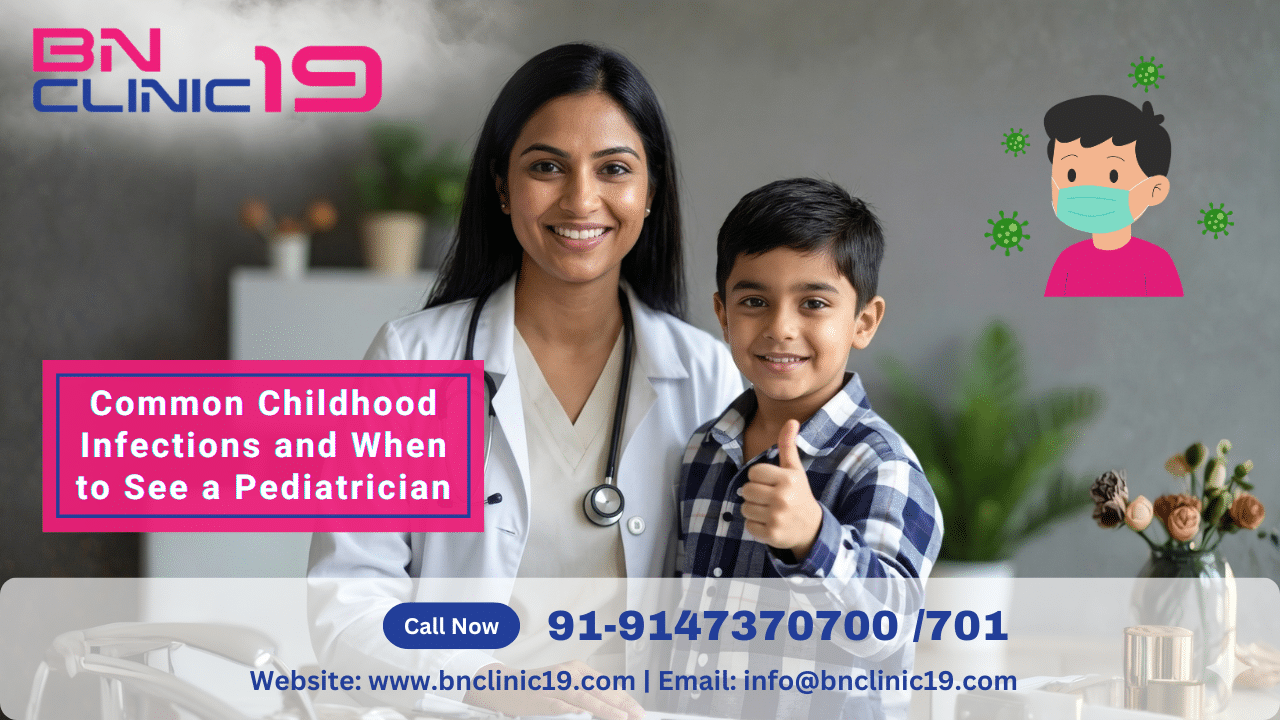




Childhood infections are a natural and common part of growing up because a child’s immune system is still developing. During early years, children are exposed to various viruses, bacteria, and other microorganisms that can cause illness. While most childhood infections are mild and resolve with proper care, some may require medical attention to prevent complications. Parents often feel concerned when their child develops symptoms such as fever, cough, vomiting, diarrhea, or skin rashes. Understanding which infections are common and knowing when to seek medical help is essential for protecting a child’s health and ensuring timely treatment. Children are more vulnerable because their immune defenses are not fully mature, and they are frequently exposed to germs in schools, playgrounds, and social environments. Health authorities such as the World Health Organization emphasize the importance of early recognition and treatment of childhood infections to reduce risks and ensure healthy development. Awareness helps parents respond appropriately and seek professional medical care when necessary.
-
Why Children Are More Prone to Infections
Children are more susceptible to infections primarily because their immune systems are still developing and learning to recognize and fight pathogens. Unlike adults, children have limited prior exposure to many common infectious organisms, which means their bodies have not yet built strong immunity. Their daily environments, such as schools and daycare centers, increase exposure to germs through close contact with other children. Young children also frequently touch surfaces and may put their hands or objects in their mouths, increasing infection risk. Nutritional deficiencies, lack of adequate sleep, and environmental factors can further weaken immunity. As children grow older, repeated exposure helps strengthen their immune system and builds long-term protection. However, during early childhood, infections are more frequent and require careful observation and timely care.
-
Common Cold and Upper Respiratory Infections
The common cold is one of the most frequent infections affecting children. It is caused by viruses that infect the nose and throat. Symptoms include runny nose, sneezing, coughing, sore throat, and mild fever. Children may also experience irritability, fatigue, and reduced appetite. Most colds resolve within one to two weeks with proper rest, hydration, and supportive care. Antibiotics are not effective against viral infections and should only be used if prescribed by a doctor for bacterial complications. Maintaining hygiene, encouraging handwashing, and ensuring proper nutrition help reduce infection frequency. While colds are usually mild, persistent symptoms, high fever, or breathing difficulty require medical evaluation to rule out more serious conditions.
-
Fever and Viral Infections in Children
Fever is a common symptom that indicates the body is fighting an infection. Viral infections such as influenza and other viral illnesses frequently cause fever in children. Fever may be accompanied by fatigue, body aches, headache, and reduced appetite. Mild fever can often be managed at home with rest, fluids, and medications recommended by healthcare providers. However, persistent fever, very high temperature, or fever in infants requires prompt medical attention. Monitoring temperature and observing associated symptoms help determine severity. Fever is not always dangerous, but it is an important warning sign that should never be ignored.
-
Ear Infections in Infants and Young Children
Ear infections are common, especially in infants and toddlers. They occur when bacteria or viruses infect the middle ear, often following a cold or respiratory infection. Symptoms include ear pain, fever, irritability, difficulty sleeping, and pulling at the ear. Infants may cry excessively or have feeding difficulties. Pediatricians diagnose ear infections through examination and recommend appropriate treatment. Early diagnosis and treatment prevent complications such as hearing problems and persistent infection.
-
Gastrointestinal Infections and Stomach Flu
Gastrointestinal infections affect the digestive system and are commonly caused by viruses, bacteria, or contaminated food and water. Symptoms include vomiting, diarrhea, abdominal pain, and dehydration. Children are particularly vulnerable to dehydration, which can become serious if untreated. Providing fluids and oral rehydration solutions is essential. Most cases improve within a few days, but severe dehydration requires immediate medical attention. Monitoring fluid intake and overall condition is critical for recovery.
-
Throat Infections and Tonsillitis
Throat infections are common in children and can be caused by viral or bacterial infections. Tonsillitis causes inflammation of the tonsils, resulting in sore throat, difficulty swallowing, fever, and swollen glands. Children may refuse food and appear weak. Viral infections resolve naturally, while bacterial infections require medical treatment. Proper diagnosis ensures appropriate care and prevents complications.
-
Skin Infections and Rashes in Children
Skin infections may occur due to bacteria, viruses, fungi, or allergic reactions. Symptoms include redness, swelling, itching, and rashes. Some infections may cause blisters or sores. Children are more prone to skin infections due to sensitive skin and exposure to environmental factors. Early treatment prevents worsening and promotes faster healing.
-
Respiratory Infections Such as Bronchitis and Pneumonia
Respiratory infections affect the lungs and airways and can be serious if untreated. Symptoms include persistent cough, fever, breathing difficulty, and fatigue. Pneumonia is a severe infection that requires prompt medical care. Early diagnosis improves recovery and prevents complications.
-
Warning Signs That Require Immediate Pediatric Attention
Parents should seek medical care if their child develops high fever, breathing difficulty, persistent vomiting, dehydration, unusual sleepiness, or severe pain. Infants require immediate evaluation if they show signs of poor feeding, fever, or lethargy. Early medical care ensures proper diagnosis and prevents serious complications.
-
Preventing Childhood Infections and Protecting Children’s Health
Preventive measures play an important role in protecting children. Proper hygiene, vaccination, balanced nutrition, and adequate sleep strengthen the immune system. Vaccination protects against serious diseases and is recommended by organizations such as the Centers for Disease Control and Prevention. Preventive care reduces infection risk and supports healthy growth.
Ensuring Timely Care and Protecting Your Child’s Health With Expert Pediatric Support
Childhood infections are common and usually manageable with proper care and medical guidance. Understanding symptoms, causes, and warning signs helps parents take timely action and prevent complications. While many infections resolve naturally, some require professional medical evaluation and treatment to ensure complete recovery and prevent long term health issues. Early diagnosis, proper treatment, preventive care, and regular monitoring are essential for maintaining a child’s health and wellbeing.
BN Clinic 19 provides specialized pediatric care focused on accurate diagnosis, effective treatment, and prevention of childhood infections. The clinic offers professional evaluation for conditions such as fever, respiratory infections, ear infections, digestive infections, and skin conditions. With a patient centered approach, experienced medical professionals ensure each child receives personalized care tailored to their specific health needs. The clinic also focuses on educating parents about preventive care, early symptom recognition, and proper treatment. With expert pediatric support, timely intervention, and continuous medical guidance, BN Clinic 19 helps ensure children recover safely, develop strong immunity, and maintain long term health and wellbeing.