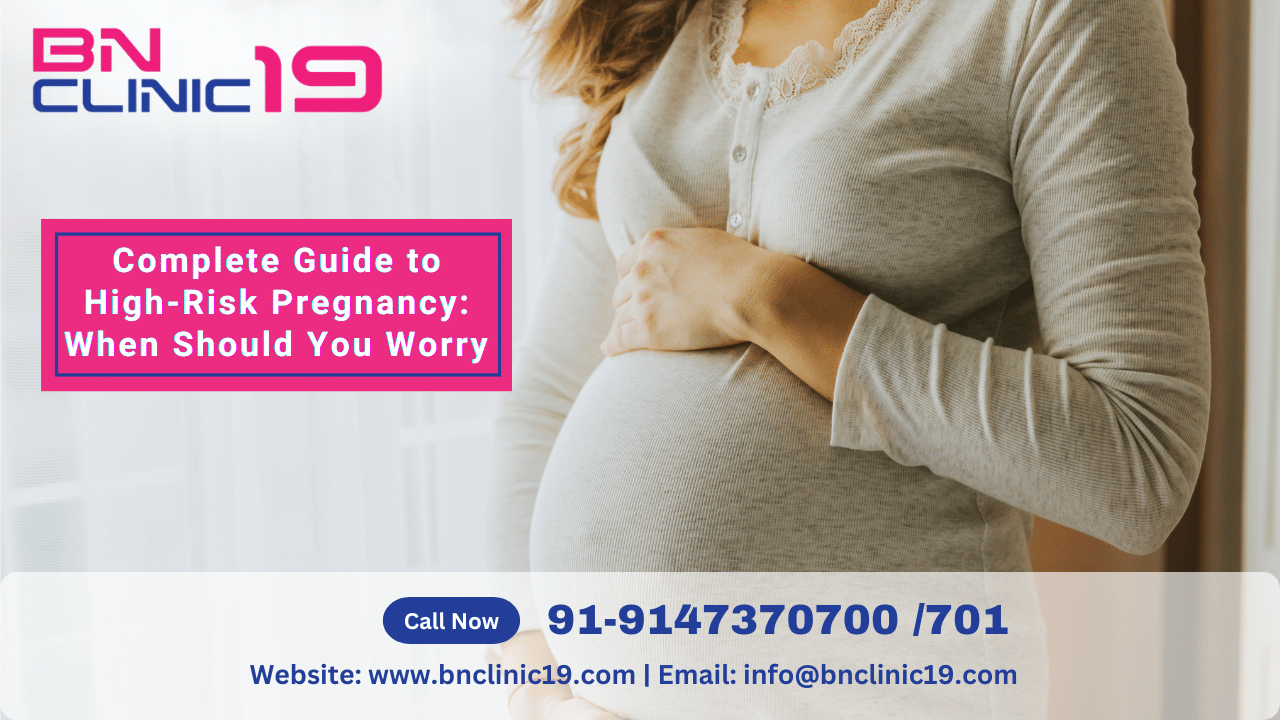
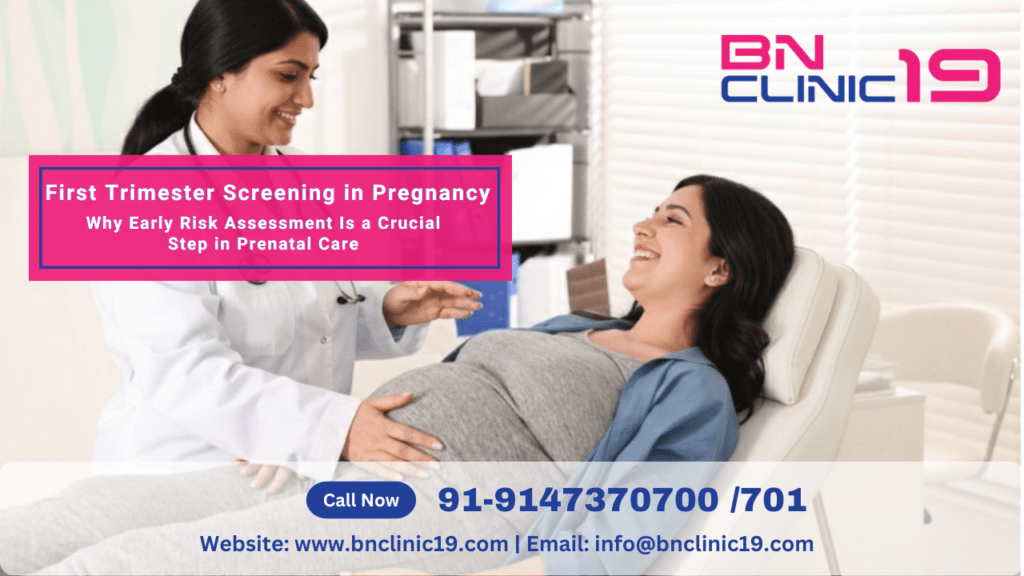
Pregnancy is a natural and life-changing experience, but in some cases, it may involve increased health risks for the mother, the baby, or both. A high-risk pregnancy refers to a pregnancy where there are greater chances of complications before, during, or after delivery. These risks may arise due to pre-existing medical conditions, pregnancy-related complications, lifestyle factors, or age-related factors. Early identification and proper medical supervision are essential to ensure the safety of both mother and baby. With advancements in medical science and proper prenatal care, many high-risk pregnancies result in healthy outcomes. Health authorities such as the World Health Organization emphasize regular prenatal checkups and early risk assessment to prevent complications. Understanding high-risk pregnancy helps expectant mothers recognize warning signs and seek timely medical care.
-
What Defines a High-Risk Pregnancy
A pregnancy is classified as high-risk when there is an increased likelihood of complications that could affect the health of the mother, baby, or both. This classification does not mean complications will definitely occur, but it indicates the need for closer monitoring and specialized care. High-risk pregnancies require more frequent prenatal visits, diagnostic tests, and careful observation. Doctors monitor maternal health, fetal growth, and any developing complications. Proper medical supervision significantly improves outcomes and reduces risks.
-
Common Causes of High-Risk Pregnancy
Several factors can contribute to a high-risk pregnancy. Pre-existing medical conditions such as diabetes, high blood pressure, thyroid disorders, and heart disease increase pregnancy risks. Pregnancy-related conditions such as preeclampsia, gestational diabetes, and placental problems also contribute to high risk. Infections, multiple pregnancies such as twins or triplets, and certain lifestyle factors may increase complications. Identifying these causes early helps doctors provide appropriate treatment and monitoring.
-
Age-Related Risk Factors in Pregnancy
Maternal age plays an important role in pregnancy risk. Women under the age of 18 or over the age of 35 have higher chances of complications. Advanced maternal age increases the risk of genetic abnormalities, miscarriage, and pregnancy complications such as high blood pressure. Younger mothers may face nutritional deficiencies and other health risks. Proper prenatal care helps manage age-related risks effectively.
-
Medical Conditions That Increase Pregnancy Risk
Pre-existing medical conditions significantly increase pregnancy risk. Conditions such as diabetes, hypertension, thyroid disorders, and obesity require careful management during pregnancy. These conditions may affect fetal growth and maternal health. Proper treatment and regular monitoring help control these risks and ensure safe pregnancy progression.
-
Pregnancy Related Complications That Require Special Care
Certain complications develop during pregnancy and require medical attention. These include gestational diabetes, preeclampsia, placental abnormalities, and premature labor. These conditions may affect both mother and baby. Early diagnosis allows doctors to manage complications effectively and prevent serious outcomes.
-
Warning Signs That Should Never Be Ignored During Pregnancy
Some symptoms during pregnancy indicate serious complications and require immediate medical attention. These include severe abdominal pain, heavy bleeding, severe headache, vision problems, swelling of hands and face, reduced fetal movement, and persistent vomiting. These warning signs may indicate serious conditions such as preeclampsia or placental problems. Immediate medical care ensures proper diagnosis and treatment.
-
Importance of Regular Prenatal Checkups
Prenatal checkups are essential for monitoring maternal and fetal health. Doctors monitor blood pressure, fetal growth, and overall pregnancy progress. Regular checkups help detect complications early and allow timely treatment. Prenatal care significantly improves pregnancy outcomes and reduces risks.
-
How High-Risk Pregnancies Are Managed
Management of high-risk pregnancy involves careful monitoring, medical treatment, and lifestyle modifications. Doctors may recommend medications, dietary changes, and regular tests. In some cases, bed rest or hospitalization may be required. Proper management ensures the safety of both mother and baby.
-
Lifestyle Changes That Help Reduce Pregnancy Risks
Healthy lifestyle choices improve pregnancy outcomes. Proper nutrition, regular medical care, avoiding harmful substances, and managing stress help reduce complications. Following medical advice ensures safe pregnancy progression.
-
Importance of Specialized Medical Care in High-Risk Pregnancy
High-risk pregnancies require specialized medical care and monitoring. Healthcare providers evaluate risk factors, monitor pregnancy progression, and provide necessary treatment. Early intervention improves outcomes and prevents complications. Medical organizations such as the Centers for Disease Control and Prevention emphasize proper prenatal care for safe pregnancy.
Ensuring Safe Pregnancy With Proper Medical Care and Monitoring
High-risk pregnancy requires careful attention, proper medical supervision, and timely intervention to ensure the safety of both mother and baby. While the term “high-risk” may sound concerning, many women with high-risk pregnancies deliver healthy babies with proper care and monitoring. Early diagnosis, regular prenatal checkups, and appropriate medical treatment play a critical role in preventing complications and ensuring positive outcomes. Understanding warning signs and seeking timely medical care helps reduce risks and ensures a safe pregnancy journey.
BN Clinic 19 provides specialized care for high-risk pregnancies, offering comprehensive prenatal evaluation, risk assessment, and personalized treatment plans. Experienced healthcare professionals at the clinic monitor maternal and fetal health closely and provide continuous support throughout pregnancy. With expert care, advanced monitoring, and patient focused treatment, BN Clinic 19 helps ensure safe pregnancy, healthy delivery, and long term wellbeing for both mother and baby.