
BN Clinic 19 – Best Clinic in Kolkata

Author name: bnclinic19

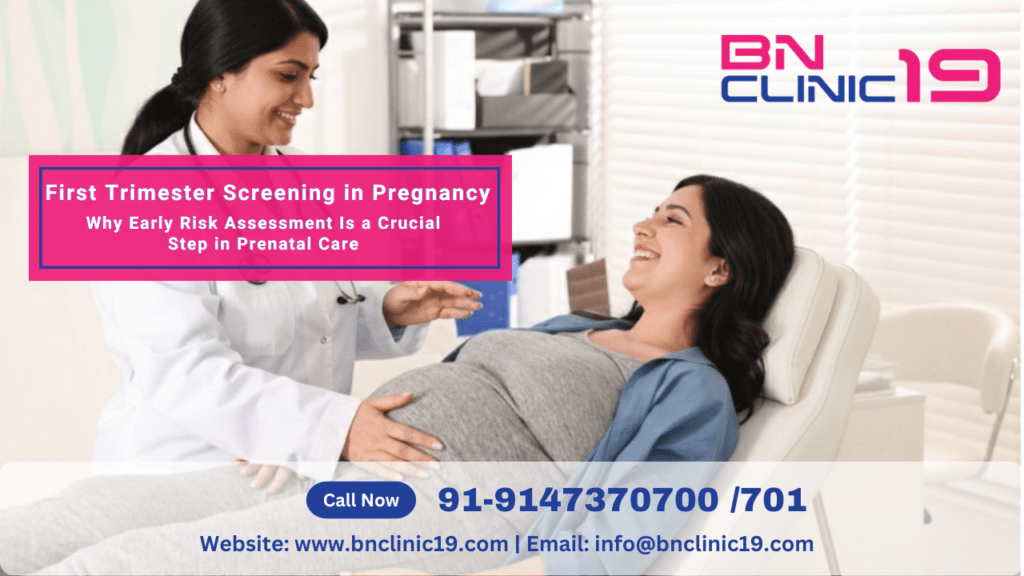
First Trimester Screening in Pregnancy: Why Early Risk Assessment Is a Crucial Step in Prenatal Care

Pregnancy is a journey defined by invisible beginnings. Long before the first movements are felt or the baby bump becomes visible, an extraordinary process is unfolding within the womb. During the first trimester, which lasts until the end of the 12th week, the baby’s brain, heart, spine, and vital organs begin forming rapidly. This phase is not only foundational but also the most sensitive period of fetal development. Because of this, early medical evaluation becomes essential to ensure that everything is progressing normally. First trimester screening is one of the most important prenatal assessments performed during this time. It combines ultrasound imaging and maternal blood tests to evaluate the risk of chromosomal abnormalities and developmental conditions. This screening does not diagnose disorders but identifies whether the pregnancy falls into a low-risk or higher-risk category, helping doctors determine if further evaluation is needed. When conducted in an experienced prenatal care setting such as BN Clinic, first-trimester screening provides accurate and meaningful insights that help guide pregnancy care. Early risk assessment empowers expecting parents with knowledge, reduces uncertainty, and ensures timely medical support when necessary, laying the foundation for safer pregnancies and healthier outcomes. Understanding What First Trimester Screening Is and What It Evaluates First trimester screening is a specialized prenatal evaluation performed between 11 weeks and 13 weeks and 6 days of pregnancy. It is designed to assess the likelihood that the fetus may have chromosomal abnormalities such as Down syndrome, trisomy 18, or trisomy 13. This screening uses a combination of ultrasound measurements and biochemical markers found in the mother’s blood to calculate risk. These results are then interpreted alongside factors such as maternal age and gestational age to generate an overall risk estimate. It is important to understand that screening does not provide a definitive diagnosis. Instead, it identifies pregnancies that may require closer monitoring or additional diagnostic testing. The purpose of screening is to provide early clarity, allowing healthcare providers and parents to make informed decisions based on reliable medical information. This early evaluation is considered a standard and essential component of modern prenatal care. Why Timing Between 11 and 13 Weeks Is Critical for Accurate Screening The effectiveness of first trimester screening depends heavily on performing it within the correct timeframe. The period between 11 weeks and 13 weeks and 6 days is ideal because specific developmental markers can be measured accurately during this window. Before this stage, the fetus may not be developed enough for reliable evaluation. After this window, certain markers may no longer provide useful information. Accurate timing ensures that ultrasound measurements and biochemical markers reflect fetal development correctly. Early screening also allows enough time for further diagnostic procedures if needed, without delaying important medical decisions. This timing provides both clinical accuracy and emotional reassurance, ensuring that pregnancy care progresses with clarity and preparedness. The Role of the Nuchal Translucency Ultrasound in Early Detection One of the most important components of first trimester screening is the nuchal translucency ultrasound. This scan measures the thickness of fluid at the back of the fetus’s neck. While a small amount of fluid is normal, increased thickness may indicate a higher risk of chromosomal abnormalities or structural conditions. The ultrasound also confirms the presence of a heartbeat, verifies gestational age, and checks whether there are multiple fetuses. This scan is completely safe and painless, using sound waves to create images of the developing baby. Accurate measurement requires proper fetal positioning, advanced imaging equipment, and experienced interpretation. In clinical practice, specialized prenatal diagnostic centers, including facilities such as BN Clinic, emphasize precise measurement techniques to ensure reliable screening results. This ultrasound plays a central role in evaluating early fetal development and contributes significantly to overall risk assessment. How Maternal Blood Tests Complement Ultrasound Findings The blood test component of first trimester screening evaluates specific biochemical markers that reflect placental and fetal health. These markers include pregnancy-associated plasma protein-A (PAPP-A) and human chorionic gonadotropin (hCG). These substances are naturally produced during pregnancy, and their levels provide valuable insight into how the pregnancy is progressing. Abnormal levels may indicate increased risk of chromosomal abnormalities or placental complications. The blood test is simple and safe, requiring only a small sample from the mother’s arm. When combined with ultrasound findings, these results improve the accuracy of screening significantly. This dual approach provides a more complete understanding of fetal development and helps doctors assess pregnancy risk more effectively. Conditions That First Trimester Screening Helps Identify First trimester screening primarily evaluates the risk of chromosomal abnormalities, including Down syndrome, trisomy 18, and trisomy 13. These conditions occur due to extra chromosomes and can affect physical growth, organ function, and cognitive development. Screening may also detect early signs of structural abnormalities, particularly those affecting the heart. While screening does not confirm these conditions, it helps identify pregnancies that may require further diagnostic evaluation. Early identification allows healthcare providers to monitor fetal development more closely and recommend appropriate medical care. Early awareness also gives parents time to understand potential risks and prepare emotionally and medically if additional care is needed. Accuracy and Reliability of First Trimester Screening First trimester screening is considered highly effective when performed correctly. It detects a large percentage of pregnancies that may have increased risk of chromosomal abnormalities. However, it is important to remember that screening provides probabilities, not definitive answers. A low-risk result does not guarantee the absence of a condition, and a higher-risk result does not confirm one. Accuracy depends on proper ultrasound technique, laboratory precision, and correct interpretation. Experienced prenatal diagnostic providers ensure that screening is conducted according to established medical standards. Facilities that routinely perform specialized prenatal evaluations, such as BN Clinic, focus on maintaining high accuracy in measurement and analysis, ensuring that results are reliable and clinically meaningful. Who Should Consider First Trimester Screening First trimester screening is recommended for all pregnant individuals, regardless of age or medical history. While certain factors, such as maternal age above 35 or family history of genetic conditions, may increase risk,

First Trimester Screening in Pregnancy: Why Early Risk Assessment Is a Crucial Step in Prenatal Care Read More »

Postpartum Depression

Postpartum Depression: The Truth About Motherhood No One Wants to Admit

“Motherhood doesn’t break women. The expectation that it must feel beautiful all the time does.” In India, childbirth is celebrated loudly. Rituals, sweets, visitors, blessings, advice. And then, just as loudly, the mother is expected to adjust. Postpartum depression is not a rare medical condition or a Western concept. It is what happens when women are praised for sacrifice but denied space to struggle. This is the part of motherhood we refuse to name. And silence is exactly what keeps it alive.   Postpartum Depression Is Far More Common Than We Admit   Indian women search privately what they cannot say aloud: Why don’t I feel happy after delivery Is it normal to feel detached from my baby Why do I feel exhausted, angry, or empty Postpartum depression affects women across cities, towns, joint families, and nuclear homes. It affects working women and homemakers. First-time mothers and those with multiple children. Yet it is brushed aside as weakness, overthinking, or hormones settling. That dismissal is not harmless. It teaches women to doubt their own pain.   The Cultural Pressure to Be a “Good Mother” In India, motherhood is not just a role. It is an identity. A new mother is expected to be grateful, patient, nurturing, and endlessly resilient. Complaints are seen as disrespectful. Emotional struggle is seen as ingratitude. So when postpartum depression appears, women feel they are failing not just themselves but their families, traditions, and expectations. There is no language for grief in motherhood. Only instructions to adjust.   What Postpartum Depression Actually Looks Like In Indian households, postpartum depression often looks like this: Being surrounded by people yet feeling completely alone Being told what to do constantly, but never being asked how you feel Losing autonomy over your body, routine, and emotions Smiling through exhaustion because elders are watching Feeling guilty for wanting space Postpartum depression does not always look dramatic. It looks like quiet suffocation.   Why Indian Mothers Stay Silent Silence is not accidental. It is taught. Women are told: This happens to everyone Don’t think so much Focus on the baby Other women managed, you will too Mental health is still treated as secondary. Emotional pain is expected to be endured. Many women fear being judged, dismissed, or labeled unstable. So they endure quietly. They wake up. They feed the baby. They perform strength. And hope it passes.   This Is Not a Failure of Character or Culture Postpartum depression is not caused by lack of love. It is not caused by being ungrateful. It is not caused by modern thinking. It is shaped by hormonal changes, sleep deprivation, lack of emotional autonomy, pressure to conform, and absence of support focused on the mother. A woman can love her child deeply and still feel overwhelmed, detached, or broken. Both can exist. And often do.   The Healthcare Gap After Delivery In India, medical care largely ends once the baby is healthy. Follow-ups focus on physical recovery, vaccinations, and feeding schedules. Mental health check-ins are rare, rushed, or nonexistent. Postpartum emotional collapse is treated as something that will settle on its own. We prepare women extensively for delivery. We barely prepare them for what comes after. That gap has consequences.   Stop Calling Silence Strength There is nothing brave about suffering quietly. Postpartum depression does not need advice, comparisons, or lectures about sacrifice. It needs: Space to speak without correction Emotional support without judgment Access to mental health care without stigma Families that listen instead of minimizing Strength is not endurance at the cost of self.   Seeking Help Is Not a Western Idea Getting help for postpartum depression is not rebellion against culture. It is the preservation of life. Therapy, counseling, medication, and support groups are not signs of failure. They are tools for recovery. Ignoring symptoms does not make a woman a better mother. It only deepens the damage.   To the Mother Reading This Quietly If you feel numb, angry, disconnected, or ashamed, this is not your fault. You are responding to pressure, expectation, and silence that no woman is meant to carry alone. You deserve rest beyond rituals. You deserve care beyond duty. You deserve to be seen as a person, not just a mother. Changing the Conversation in India Postpartum depression does not disrespect motherhood. Silence does. Until we stop romanticizing sacrifice and start acknowledging reality, women will continue to suffer quietly behind closed doors. Talking about postpartum depression does not weaken families. It strengthens them. And it is a conversation India can no longer afford to avoid.

Postpartum Depression: The Truth About Motherhood No One Wants to Admit Read More »

Mental Health Awareness 2026

Mental Health Awareness 2026: Redefining Well-Being in a High-Pressure World

Mental health awareness in 2026 looks very different than it did a decade ago. Conversations that were previously whispered have become public, mainstream, and unavoidable. Anxiety, depression, burnout, and emotional fatigue are no longer limited to a few people. They are widespread experiences that span age, profession, gender, and geography. Despite this increased awareness, the global mental health crisis worsens, revealing a disconnect between dialogue and meaningful change. In 2026, mental health awareness goes beyond simply encouraging people to talk. It’s about creating systems that listen, respond, and provide support. It is about acknowledging that mental well-being is essential for productivity, learning, relationships, and long-term health. Individuals, institutions, governments, and digital platforms all bear responsibility for raising awareness today. Why Mental Health Awareness Matters More in 2026 The current world is faster, louder, and more demanding than ever before. Students face a fierce academic competition. Professionals deal with volatile job markets and constant performance pressure. Social media promotes comparison, self-doubt, and unrealistic expectations. The distinctions between work, school, and personal life continue to blur. Mental health struggles are no longer occasional disruptions. For many, they have become a constant background noise affecting concentration, motivation, sleep, and self-worth. Ignoring these realities no longer works. The cost of untreated mental health issues is visible in declining productivity, broken relationships, substance abuse, and rising suicide rates worldwide. Mental health awareness in 2026 is essential because societies can no longer afford silence or stigma.   From Awareness to Action Earlier mental health movements aimed to remove stigma. While this is still important, awareness alone is insufficient. Many people today recognize mental health issues, but they lack access to care, affordability, and safe places to seek help. In 2026, the focus has shifted to actionable awareness. This includes early detection, easy access to counseling, mental health policies in the workplace, and emotional education in schools. Awareness campaigns must now produce measurable results rather than eliciting empathy. True awareness is reflected in how institutions respond to individual struggles.   Workplace Mental Health in 2026 Workplace burnout has reached alarming levels. Long hours, unrealistic targets, job insecurity, and digital surveillance have blurred the line between dedication and exploitation. In 2026, mental health awareness is forcing organizations to confront the human cost of unchecked productivity culture. Progressive workplaces are adopting flexible schedules, mental health leave, and employee assistance programs. Yet many organizations still treat mental well-being as a secondary benefit rather than a core responsibility. A mentally healthy workplace is not one with occasional wellness sessions, but one with realistic expectations, psychological safety, and respect for boundaries.   The Role of Technology and Social Media Technology serves a dual purpose in mental health. On the one hand, it has broadened access to mental health information and online therapy. On the other hand, constant connectivity has heightened comparison, reduced attention spans, and increased anxiety. Mental health awareness in 2026 involves teaching digital responsibility. This includes mindful screen use, critical consumption of online content, and awareness of algorithmically driven pressure. Social media platforms are also becoming more accountable for their impact on mental health. Today, awareness includes understanding when technology benefits or harms mental health.   Mental Health and Social Inequality Mental health issues don’t affect everyone equally. Economic insecurity, discrimination, gender inequality, and a lack of healthcare access exacerbate psychological distress. In 2026, awareness must address these structural factors rather than viewing mental health as a personal issue. With fewer support systems, marginalized communities are often more vulnerable to mental health issues. Addressing mental health without addressing inequality produces incomplete solutions. True awareness includes equitable access to care and culturally sensitive mental health services.   Breaking the Myth of Constant Resilience The glorification of constant resilience is one of the most harmful narratives surrounding mental health. Society frequently rewards endurance while ignoring exhaustion. In 2026, mental health awareness will challenge this myth. Resilience does not mean suppressing emotions or pushing through pain indefinitely. It means recognizing limits, seeking support, and recovering sustainably. Awareness today encourages rest, boundaries, and vulnerability as strengths rather than weaknesses. Knowing when to take a break is an example of mental strength.   Early Intervention and Preventive Care In 2026, mental health awareness will focus on prevention rather than crisis management. Early signs of stress, anxiety, and depression are frequently overlooked until they become severe. Preventive care focuses on regular mental health check-ins, emotional literacy, and stress-management techniques. Early diagnosis improves both physical and mental health outcomes. Awareness campaigns now emphasize the importance of recognizing symptoms before they become severe. Preventive measures save lives, resources, and years of suffering.   The Importance of Normalizing Professional Help Despite increased awareness, many people continue to avoid seeking professional help due to stigma or misconceptions. Therapy is frequently viewed as a last resort, rather than a proactive tool. Mental health awareness in 2026 works to normalize counseling and therapy as routine aspects of self-care. Seeking help is increasingly framed as responsibility rather than weakness. Access to trained mental health professionals must expand alongside this normalization.   Mental Health in Families and Relationships Families play a crucial role in mental health. However, emotional communication within families remains limited in many cultures. In 2026, awareness initiatives will include educating parents, caregivers, and partners about emotional support, healthy boundaries, and empathetic listening. Unresolved family conflict and emotional neglect contribute significantly to mental health struggles. Awareness begins at home, not just in institutions. Healthy relationships protect mental health more than any single intervention.   Policy and Government Responsibility Mental health awareness is insufficient without policy support. In 2026, governments will face increased pressure to integrate mental health into public healthcare systems. This includes insurance, public counseling services, and mental health education. Policy commitment determines whether awareness results in actual access or remains symbolic. Mental health funding aligns with societal priorities. Mental health must be treated as a public good.   Mental Health and the Future Workforce As automation and artificial intelligence reshape industries, young people are becoming increasingly concerned about their

Mental Health Awareness 2026: Redefining Well-Being in a High-Pressure World Read More »

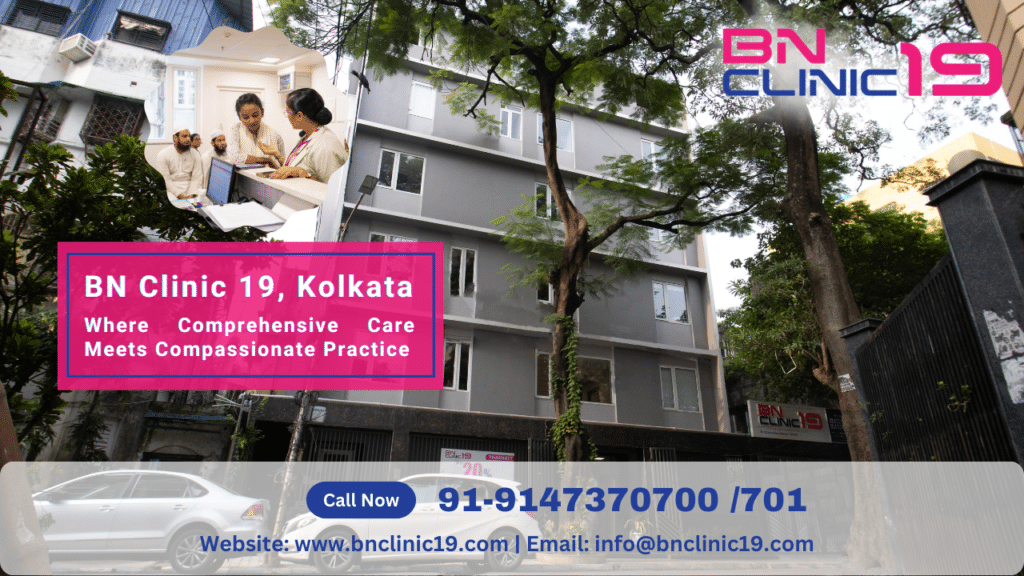
BN Clinic 19, Kolkata: Where Comprehensive Care Meets Compassionate Practice

BN Clinic 19, Kolkata: Where Comprehensive Care Meets Compassionate Practice

Healthcare is not only about diagnosing an illness or prescribing medication. For most patients, it is about trust, clarity, and the reassurance that they are being cared for by professionals who understand both medicine and people. In a city like Kolkata, where medical facilities are abundant but often fragmented, patients frequently struggle to find a single place that offers advanced care along with personal attention. BN Clinic 19 was established with a simple yet essential goal: to provide complete, multi-speciality healthcare under one roof, without compromising on medical standards, patient comfort, or ethical practice. Located in a central and accessible part of the city, the clinic brings together experienced consultants, modern diagnostic tools, surgical facilities, recovery spaces, and supportive wellness services in a coordinated medical environment.   A Multi-Speciality Clinic Designed Around Patient Needs BN Clinic 19 is not structured like a conventional outpatient center where departments function in isolation. Instead, it follows an integrated approach where specialists, diagnostics, and treatment pathways are aligned to ensure continuity of care.    Patients visiting the clinic benefit from:  Multiple specialities available in one location Reduced need for referrals to external centers Coordinated care between departments Clear communication and structured follow-ups This approach is particularly valuable for women’s health, pregnancy care, pediatric cases, ENT conditions requiring surgery, and patients who need ongoing monitoring or lifestyle-based support.   Gynaecology and Obstetrics: Dedicated Care for Women’s Health Women’s health requires sensitivity, experience, and consistency. The Gynaecology and Obstetrics department at BN Clinic 19 addresses healthcare needs across different stages of a woman’s life, from adolescence to post-menopause. The department provides care for: Routine gynecological consultations Menstrual irregularities and hormonal concerns Polycystic ovary syndrome (PCOS) Fertility-related evaluations Antenatal and postnatal care High-risk pregnancy management Menopause counseling and preventive care Pregnancy care at BN Clinic 19 focuses on regular monitoring, informed decision-making, and emotional reassurance. Expectant mothers are guided through each stage with access to advanced diagnostic facilities and experienced obstetricians who prioritize both maternal and fetal well-being.   Fetal Medicine: Advanced Monitoring for Safer Outcomes Modern obstetric care relies heavily on accurate fetal assessment. BN Clinic 19 offers dedicated fetal medicine services to support early diagnosis, monitoring, and timely intervention when required. Services include: Early pregnancy scans Nuchal translucency (NT) scans Detailed anomaly scans Growth and Doppler studies Evaluation of high-risk pregnancies The clinic is equipped with a high-end Voluson ultrasound machine, known for its precision and reliability in obstetric and gynecological imaging. Reports are explained clearly to patients, helping families understand findings without unnecessary anxiety or confusion.   Cardiology: Focused Heart Care and Preventive Monitoring Heart health is a critical component of overall well-being, especially for adults managing lifestyle-related conditions or chronic illnesses. BN Clinic 19 offers cardiology consultations aimed at early detection, risk assessment, and long-term heart health management. Cardiology services include: Evaluation of chest pain, breathlessness, and palpitations Blood pressure and hypertension management Preventive cardiac risk assessment Lifestyle guidance for heart health Ongoing monitoring for cardiac conditions The cardiology department emphasizes prevention, timely diagnosis, and coordinated care with other specialities such as endocrinology and dietetics.   Endocrinology: Hormonal Balance and Metabolic Health Hormonal and metabolic disorders often affect multiple organ systems and require careful, long-term management. BN Clinic 19 provides endocrinology services focused on accurate diagnosis and personalized treatment planning. Endocrinology care includes: Diabetes management and monitoring Thyroid disorders Hormonal imbalances PCOS and metabolic concerns Lifestyle-related endocrine conditions Endocrinology services work closely with gynecology, cardiology, dietetics, and pediatrics to ensure comprehensive and consistent care.   Genetic Counselling: Informed Decisions Through Medical Insight Genetic counselling plays an important role in modern preventive and reproductive healthcare. BN Clinic 19 provides genetic counselling services to help individuals and families understand genetic risks and make informed medical decisions. Genetic counselling support includes: Preconception and prenatal counselling Risk assessment for inherited conditions Guidance following abnormal screening results Support for high-risk pregnancies Clear explanation of genetic reports and options The service is closely integrated with fetal medicine, obstetrics, and pediatrics for comprehensive care.   Life Coaching: Guidance Beyond Clinical Treatment Health challenges often affect emotional resilience, motivation, and life direction. BN Clinic 19 offers life coaching services to support patients in navigating personal, emotional, and lifestyle transitions alongside medical care. Life coaching focuses on: Stress management and emotional clarity Coping with chronic illness or major life changes Building healthier routines and habits Personal growth and mental well-being Life coaching complements medical treatment by addressing the human aspects of healing and long-term wellness.   ENT Services: Complete Care from Diagnosis to Surgery ENT conditions can significantly affect daily life, whether through chronic infections, hearing issues, sinus problems, or voice disorders. BN Clinic 19 provides comprehensive ENT services that cover both conservative management and surgical treatment. ENT care at the clinic includes: Ear infections and hearing-related concerns Sinusitis and nasal obstruction Throat infections and voice issues Tonsil and adenoid conditions Thyroid-related ENT procedures Advanced ENT surgeries With an advanced operation theatre available within the clinic, patients requiring surgical intervention can receive care without the inconvenience of moving between different hospitals or diagnostic centers.   Paediatrics: Gentle, Structured, and Reliable Child Care Children require medical care that is both clinically sound and emotionally supportive. The Paediatrics department at BN Clinic 19 is designed to address the healthcare needs of infants, children, and adolescents in a calm and reassuring environment. Paediatric services include: Newborn and infant care Growth and developmental assessments Vaccination services Management of common childhood illnesses Nutritional guidance and immunity support The integration of paediatric care with obstetrics and fetal medicine allows for continuity from pregnancy through early childhood, supporting better long-term health outcomes.   Dermatology: Medical and Preventive Skin Care Skin conditions often affect confidence and quality of life. BN Clinic 19 offers dermatology services focused on both treatment and long-term skin health. Dermatology services include:  Acne and pigmentation management Hair fall and scalp disorders Chronic skin conditions such as eczema and psoriasis Skin infections and allergic conditions Preventive skin care consultations Patients receive personalized treatment plans based on medical

BN Clinic 19, Kolkata: Where Comprehensive Care Meets Compassionate Practice Read More »

BN Clinic 19

Advanced Ear Surgery in Kolkata | Expert ENT Care at BN Clinic 19

Ear problems can significantly impact your daily life, causing pain, hearing loss, or recurrent infections. At BN Clinic 19, Kolkata, our experienced ENT specialists offer advanced ear surgeries for both adults and children. Whether you’re dealing with chronic ear infections, hearing issues, or structural abnormalities, we provide safe, effective, and personalized surgical care using the latest techniques. What Is Ear Surgery? Ear surgery, also known as otologic surgery, involves procedures to treat medical conditions affecting the outer ear, middle ear, or inner ear. Surgery may be recommended to treat: Chronic ear infections (Otitis Media) Perforated eardrums Hearing loss due to ossicle damage Cholesteatoma (abnormal skin growth in the ear) Congenital ear defects Balance disorders (in rare cases) Common Types of Ear Surgeries We Perform at BN Clinic 19 🔹 Tympanoplasty Surgical repair of a perforated eardrum, restoring hearing and preventing repeated infections. 🔹 Mastoidectomy Removes infected mastoid air cells caused by chronic ear infections or cholesteatoma. Prevents further damage to hearing and inner ear structures. 🔹 Myringotomy with Grommet Insertion Tiny tubes (grommets) are inserted into the eardrum to relieve fluid buildup and pressure in children and adults with frequent ear infections. 🔹 Stapedectomy Replaces the stapes bone in the middle ear to improve hearing in cases like otosclerosis. 🔹 Ossiculoplasty Reconstruction of the tiny bones (ossicles) in the middle ear to restore conductive hearing loss. 🔹 Canalplasty Reshapes or widens the ear canal to improve drainage or access to the eardrum. When Is Ear Surgery Recommended? Surgical intervention may be needed if you experience: Persistent or recurrent ear infections Chronic ear discharge Noticeable hearing loss A hole in the eardrum that doesn’t heal on its own Frequent earaches or fullness Balance problems related to inner ear issues Growth or abnormal structure inside the ear Diagnosis and Pre-Surgical Evaluation At BN Clinic 19, our ENT team uses a comprehensive approach to diagnose ear conditions: ✅ Otoscopy to examine the ear canal and eardrum ✅ Audiometry and hearing tests to measure hearing ability ✅ Tympanometry to assess middle ear function ✅ CT or MRI scans in complex cases ✅ Pre-surgical counseling and planning Why Choose BN Clinic 19 for Ear Surgery in Kolkata? Located at 19, Circus Row, Lower Range, Elgin, BN Clinic 19 offers state-of-the-art ENT care with a focus on patient safety and surgical precision. Why Patients Prefer Us: ✔️ Experienced ENT surgeons trained in advanced microsurgical ear techniques ✔️ Specialized care for both children and adults ✔️ Use of endoscopic and microscopic techniques for better outcomes ✔️ Personalized post-surgical rehabilitation and follow-up ✔️ Coordination with audiologists and hearing rehabilitation services Recovery and Postoperative Care Most ear surgeries are outpatient or require a short hospital stay. Recovery guidelines may include: Avoid water exposure in the ear for a few weeks Antibiotic drops or medications to prevent infection Follow-up hearing tests to monitor improvement Avoid air travel, strenuous activity, or loud noises temporarily When to Seek Immediate Medical Attention? 📍 Post-surgery, contact your doctor if you experience: Persistent ear discharge or bleeding Sudden hearing loss Dizziness or balance problems Facial weakness or numbness High fever or signs of infection Book Your Consultation Today at BN Clinic 19 Don’t let ear problems interfere with your hearing or quality of life. With modern diagnostics, surgical expertise, and compassionate care, BN Clinic 19 is your trusted center for ear surgeries in Kolkata. 📞 Call +91 9147370700 / +91 9147370701 to book your appointment with our ENT specialist today!

Advanced Ear Surgery in Kolkata | Expert ENT Care at BN Clinic 19 Read More »

BN Clinic 19

Advanced Sinus Surgery in Kolkata | Expert ENT Care at BN Clinic 19

Recurring sinus infections, facial pressure, breathing issues, or nasal congestion that just won’t go away—these could all be signs of chronic sinusitis or other sinus-related conditions. At BN Clinic 19, Kolkata, we offer advanced diagnostics and minimally invasive sinus surgery to help you breathe easier and live better. Our ENT specialists are trained in the latest techniques, including Functional Endoscopic Sinus Surgery (FESS), ensuring safe and lasting relief from sinus-related issues. Understanding Sinus Problems The sinuses are hollow spaces in the bones of your face and skull, connected to the nasal passages. When these cavities get blocked or inflamed, they can cause pain, pressure, and chronic infections. Common Sinus Conditions Treated with Surgery: Chronic Sinusitis: Persistent inflammation of the sinuses lasting over 12 weeks Nasal Polyps: Soft, noncancerous growths that obstruct breathing Deviated Nasal Septum: Misalignment of the nasal partition causing blockage Fungal Sinus Infections: Resistant infections common in humid regions like Kolkata Mucocele or Sinus Cyst: Mucus-filled sacs that can cause facial swelling or infection When Is Sinus Surgery Recommended? Surgery is usually considered when: Sinus symptoms persist despite months of medication You experience repeated sinus infections multiple times a year Nasal polyps or blockages prevent normal airflow or drainage A deviated septum or anatomical issue is causing chronic sinus trouble CT scan or nasal endoscopy confirms structural problems Types of Sinus Surgery Performed at BN Clinic 19 We offer both traditional and modern approaches, depending on the condition and patient’s need. 1. Functional Endoscopic Sinus Surgery (FESS) The gold standard in modern sinus surgery Performed using a tiny camera (endoscope) and special instruments Targets blocked sinus passages and removes obstructions with precision No external scars, faster healing, and reduced complications 2. Septoplasty Corrects a deviated nasal septum Often combined with sinus surgery for better long-term results 3. Polypectomy Removal of nasal polyps that obstruct breathing and lead to sinus infections 4. Balloon Sinuplasty (select cases) A less invasive procedure using a balloon catheter to open blocked sinuses What to Expect Before and After Sinus Surgery Pre-Surgical Evaluation Nasal endoscopy and CT scan of paranasal sinuses Allergy testing, if needed Complete ENT consultation and planning Post-Surgical Recovery Minimal discomfort with endoscopic procedures Mild nasal congestion, bleeding, or crusting for a few days Nasal irrigation and follow-up cleaning Most patients resume routine activities within 3–5 days Why Choose BN Clinic 19 for Sinus Surgery in Kolkata? 📍Conveniently located at 19 Circus Row, Lower Range, Elgin, our clinic combines advanced ENT care with a patient-first approach. ✅ Skilled ENT surgeons with experience in complex sinus surgeries ✅ High-definition nasal endoscopy and diagnostic imaging ✅ Minimally invasive techniques with faster recovery ✅ Detailed post-operative follow-up and care ✅ Transparent communication and personalized treatment planning Don’t Ignore Chronic Sinus Symptoms Consult an ENT expert if you notice: ✔️ Constant nasal blockage or facial pain ✔️ Post-nasal drip and persistent cough ✔️ Repeated headaches, especially in the forehead or around eyes ✔️ Loss of smell or taste ✔️ Frequent need for antibiotics for sinus infections 📞 Book an Appointment with Our ENT Specialist Today At BN Clinic 19, Elgin, Kolkata, we’re here to help you breathe freely again. From accurate diagnosis to advanced sinus surgery, our team provides comprehensive ENT solutions. 📱 Call: +91 9147370700 / +91 9147370701 to schedule your consultation now.

Advanced Sinus Surgery in Kolkata | Expert ENT Care at BN Clinic 19 Read More »

BN Clinic 19

Thyroid Surgery in Kolkata: When and Why It’s Needed | Expert Care at BN Clinic 19

The thyroid gland may be small, but it plays a vital role in regulating your metabolism, heart rate, energy, and more. At BN Clinic 19, Kolkata, our experienced team of ENT Surgeons offers advanced diagnostic services and safe, effective thyroid surgery for a wide range of thyroid conditions. Whether it’s a thyroid nodule, goitre, or suspected cancer, our personalized approach ensures the right care—at the right time. Understanding Thyroid Disorders Your thyroid gland, located at the base of your neck, produces hormones that regulate many bodily functions. When the gland becomes overactive, underactive, enlarged, or develops nodules, it may require medical attention—or even surgical removal. Common Thyroid Conditions: Thyroid Nodules: Lumps that may be benign or malignant. Large nodules may cause breathing or swallowing difficulties. Goitre: Enlargement of the thyroid, often visible and sometimes associated with iodine deficiency or autoimmune disorders. Hyperthyroidism: Overproduction of thyroid hormones, often due to conditions like Graves’ disease. Thyroid Cancer: May appear as a painless lump or swelling in the neck, often detected via USG + FNAC Thyroid Cysts or Abscesses: Fluid-filled sacs or infections in the gland requiring surgical drainage or removal. When Is Thyroid Surgery Required? Not all thyroid problems need surgery. But your doctor may recommend it when: A thyroid nodule is suspicious or cancerous A large goitre is causing breathing or swallowing problems Hyperthyroidism is not responding to medication or radioactive iodine There’s a recurrent thyroid cyst or abscess Thyroid cancer has been confirmed Types of Thyroid Surgery Offered at BN Clinic 19 Our expert surgeons perform both minimally invasive and conventional thyroid surgeries, depending on your condition. 1. Hemithyroidectomy Removal of one lobe of the thyroid gland—usually done for benign nodules or suspicious lumps. 2. Total Thyroidectomy Complete removal of the thyroid gland—often necessary in cases of thyroid cancer, large goitre, or uncontrolled hyperthyroidism. 3. Completion Thyroidectomy Performed when a second surgery is needed after initial partial thyroid removal. 4. Minimally Invasive Thyroid Surgery In select patients, we offer small-incision or endoscopic approaches for faster recovery and less visible scarring. What to Expect Before and After Thyroid Surgery Pre-Surgical Evaluation Ultrasound & FNAC (Needle Biopsy) to confirm diagnosis Blood tests for TSH, T3, T4 and calcium levels Vocal cord assessment if surgery involves nerve proximity Post-Surgical Care Monitoring for voice changes or calcium imbalance Hormone replacement therapy (if the entire gland is removed) Follow-up with endocrinologist or ENT surgeon for long-term management Most patients recover within 7–10 days and return to normal activities soon after. Why BN Clinic 19 Is a Trusted Name in Thyroid Surgery 📍Located in Elgin, Kolkata, BN Clinic 19 is known for its expert-led approach to ENT and endocrine surgeries. Here’s what sets us apart: ✅ Highly experienced thyroid surgeons ✅ Modern operating infrastructure ✅ Safe surgical protocols and post-op care ✅ Multidisciplinary team approach ✅ Personalized counselling and follow-up Don’t Ignore Symptoms of Thyroid Issues See a doctor if you notice: ✔️ Swelling or lump in the neck ✔️ Hoarseness or voice changes ✔️ Difficulty swallowing or breathing ✔️ Rapid heartbeat, anxiety, or weight changes ✔️ Family history of thyroid disorders or cancer 📞 Book a Consultation Today At BN Clinic 19, 19 Circus Row, Lower Range, Elgin, Kolkata – 700017, we offer comprehensive thyroid evaluation and surgery with compassion and precision. 📱 Call: +91 9147370700 / +91 9147370701 to schedule your appointment.

Thyroid Surgery in Kolkata: When and Why It’s Needed | Expert Care at BN Clinic 19 Read More »

BN Clinic 19

Snoring & Sleep Apnea: Causes, Risks, and Treatment Options at BN Clinic 19, Kolkata

At BN Clinic 19, Kolkata, we specialize in diagnosing and treating snoring and obstructive sleep apnea (OSA)—a serious condition where breathing repeatedly stops and starts during sleep. While many consider snoring a minor issue, it could signal deeper health concerns. If ignored, sleep apnea can increase the risk of high blood pressure, heart problems, stroke, loss of  libido and poor quality of life. What Causes Snoring and Sleep Apnea? Snoring occurs when airflow is partially blocked during sleep, causing tissues in the throat to vibrate. In cases of sleep apnea, the airway becomes completely blocked for short periods, causing the person to stop breathing. Common Causes: Obesity or Excess Weight: Increases fat deposits around the neck that block airflow. Deviated Nasal Septum or Sinus Issues: Can lead to chronic mouth breathing and airway obstruction. Enlarged Tonsils or Adenoids: Often seen in both children and adults. Alcohol, Smoking, and Sedatives: Relax throat muscles, making collapse more likely during sleep. Sleeping on Your Back: Encourages the tongue to fall backward and block the airway. Symptoms to Watch Out For If you or a loved one snores loudly or feels excessively tired during the day, these could be signs of obstructive sleep apnea. 🔸 Loud, chronic snoring 🔸 Gasping or choking during sleep 🔸 Daytime fatigue and difficulty focusing 🔸 Morning headaches 🔸 Mood swings or irritability 🔸 Restless sleep or insomnia How Is Sleep Apnea Diagnosed? At BN Clinic 19, we offer comprehensive evaluation and diagnosis for snoring and sleep apnea, including: Proper history of problems encountered ENT Evaluation: To detect nasal, oral, or throat blockages contributing to your symptoms. Sleep Study : Polysomnography (lab-based) or home-based sleep tests. Treatment Options at BN Clinic 19, Kolkata We provide individualized treatment plans for snoring and sleep apnea based on your condition severity and airway anatomy. 1. Lifestyle & Behavioural Changes Weight loss guidance Avoidance of alcohol or sedatives before bedtime Side-sleeping techniques Nasal sprays or allergy control for better airflow 2. Non-Invasive Therapies CPAP Therapy (Continuous Positive Airway Pressure): A highly effective option for moderate to severe OSA, keeping airways open with gentle air pressure. Custom Oral Appliances: These reposition the jaw/tongue to maintain airflow, especially helpful for mild to moderate OSA. 3. Surgical Treatments at BN Clinic 19 Septoplasty: Correction of a deviated nasal septum for improved breathing. Tonsillectomy/Adenoidectomy: For patients with enlarged tonsils/adenoids causing airway blockage. Uvulopalatopharyngoplasty (UPPP): Surgical removal of excess tissue in the throat. Endoscopic Sinus Surgery: For chronic nasal blockage contributing to sleep apnea. Our expert ENT surgeons and sleep specialists work together to offer safe, effective, and personalized care. Why Choose BN Clinic 19 for Sleep Apnea Care? 📍 Centrally located at 19, Circus Row, Lower Range, Elgin, Kolkata – 700017, BN Clinic 19 provides holistic ENT and sleep apnea care under one roof. 🔹 Expert ENT & Fetal Medicine Specialists 🔹 Personalized diagnosis & treatment plans 🔹 State-of-the-art facilities and surgical expertise 🔹 Compassionate, patient-first care Don’t Let Snoring Disrupt Your Life Ignoring snoring or sleep apnea symptoms can lead to long-term health issues. Early diagnosis and treatment can restore your energy, improve sleep quality, and prevent life-threatening complications. 📞 Book an Appointment Call us at: 📱 +91 9147370700 / +91 9147370701 Let us help you breathe and sleep better, starting today.

Snoring & Sleep Apnea: Causes, Risks, and Treatment Options at BN Clinic 19, Kolkata Read More »

BN Clinic 19

Hearing Loss in Adults: Causes, Symptoms & Treatment

Hearing loss is a common yet often overlooked condition that affects millions of adults worldwide. While some cases are temporary and treatable, others may lead to permanent hearing impairment if left unmanaged. Many factors contribute to hearing loss, including aging, prolonged noise exposure, infections, and underlying medical conditions. If not addressed early, hearing loss can significantly impact communication, work performance, relationships, and overall well-being. In this comprehensive guide, we will discuss the causes, symptoms, diagnosis, and treatment options for hearing loss in adults, along with preventive measures to maintain optimal hearing health. Understanding Hearing Loss: Types & Causes Hearing loss can be classified into three main types, depending on the part of the ear affected: 1. Sensorineural Hearing Loss (SNHL) – Most Common This type occurs due to damage to the inner ear (cochlea) or auditory nerve. It is usually permanent and linked to: ✔️ Aging (Presbycusis): Gradual loss of hearing due to natural wear and tear of auditory cells. ✔️ Noise Exposure: Prolonged exposure to loud environments (concerts, factories, construction sites, or headphones at high volume). ✔️ Genetic Factors: Family history of early-onset hearing loss. ✔️ Ototoxic Medications: Certain antibiotics, chemotherapy drugs, and painkillers can damage hearing. 2. Conductive Hearing Loss – Temporary or Treatable This occurs when sound cannot pass properly through the outer or middle ear, due to: ✔️ Earwax Blockage: Excessive wax build-up can cause temporary deafness. ✔️ Ear Infections (Otitis Media): Chronic infections lead to fluid accumulation behind the eardrum. ✔️ Eardrum Perforation: Injury or repeated infections may cause a hole in the eardrum. 3. Mixed Hearing Loss A combination of sensorineural and conductive hearing loss, requiring a mix of medical treatment and hearing aids. Symptoms of Hearing Loss in Adults Hearing loss often develops gradually, making it difficult to recognize early symptoms. Some signs to watch for include: 🔹 Difficulty understanding speech, especially in noisy places. 🔹 Asking people to repeat themselves frequently. 🔹 Turning up the TV or phone volume excessively. 🔹 Ringing in the ears (tinnitus), often linked to nerve damage. 🔹 Struggling to hear higher-pitched sounds such as children’s voices or doorbells. 🔹 Avoiding social gatherings due to frustration in communication. 💡 Tip: If you experience these symptoms, consult an ENT specialist in Kolkata for a hearing evaluation. Diagnosis: How is Hearing Loss Evaluated? A specialist will conduct various tests to determine the type and severity of hearing loss: ✔️ Pure Tone Audiometry (PTA): Measures the ability to hear different frequencies. ✔️ Speech Audiometry: Evaluates speech clarity and word recognition ability. ✔️ Tympanometry: Assesses middle ear function to detect blockages or fluid build-up. ✔️ Otoacoustic Emissions (OAE): Determines inner ear function, especially in cases of sensorineural loss. Treatment Options for Hearing Loss Hearing loss management depends on the cause and severity. Options include: 1. Hearing Aids – For Sensorineural Hearing Loss ✔️ Digital hearing aids amplify sound while reducing background noise. ✔️ Available in various styles: Behind-the-Ear (BTE), In-the-Ear (ITE), and Completely-in-Canal (CIC). ✔️ Helps improve speech clarity and everyday communication. 2. Cochlear Implants – For Severe Hearing Loss ✔️ Used when hearing aids are ineffective. ✔️ Surgically implanted device bypasses damaged inner ear structures to directly stimulate the auditory nerve. 3. Medical & Surgical Treatments – For Conductive Hearing Loss ✔️ Earwax Removal: Safely performed by an ENT specialist. ✔️ Antibiotics or Antifungal Medications: Treat ear infections. ✔️ **Surgery for Perforated Eardrum or Middle Ear Ab 3. Medical & Surgical Treatments – For Conductive Hearing Loss (Continued) ✔️ Earwax Removal: Performed by an ENT specialist using safe techniques. ✔️ Antibiotics or Antifungal Medications: Used for ear infections that cause fluid build-up. ✔️ Surgery for Perforated Eardrum or Middle Ear Abnormalities: Procedures like tympanoplasty repair the eardrum, while stapedectomy treats hearing loss caused by otosclerosis (abnormal bone growth in the ear). How to Prevent Hearing Loss? While some causes of hearing loss (such as aging) are unavoidable, the following steps can help protect your hearing: ✔️ Limit Exposure to Loud Noises – Use earplugs or noise-cancelling headphones in noisy environments. ✔️ Follow the 60/60 Rule – Keep headphone volume below 60% and limit usage to 60 minutes per day. ✔️ Quit Smoking – Smoking increases the risk of hearing loss due to poor circulation. ✔️ Manage Chronic Health Conditions – Diabetes, hypertension, and high cholesterol can damage auditory nerves over time. ✔️ Get Regular Hearing Tests – Early detection can prevent further damage. ✔️ Eat a Nutrient-Rich Diet – Omega-3 fatty acids, magnesium, and vitamins A & C support ear health. When to See an ENT Specialist? Seek professional help if you experience: 📌 Sudden hearing loss in one or both ears. 📌 Persistent ringing (tinnitus) that interferes with daily activities. 📌 Ear pain, dizziness, or frequent infections affecting hearing. 📌 Difficulty understanding conversations, even in quiet environments. An ENT specialist in Kolkata can provide advanced diagnostics and recommend the best treatment for your condition. Hearing loss can significantly impact quality of life, but with early diagnosis and proper management, individuals can regain better hearing and communication. Treatment options range from medical and surgical interventions for conductive hearing loss to hearing aids and cochlear implants for sensorineural cases. Taking preventive measures, such as protecting ears from loud noises, managing chronic health issues, and regular hearing check-ups, can help preserve hearing health for the long term. 📢 If you or a loved one is experiencing hearing difficulties, consult an ENT specialist in Kolkata today for expert care!

Hearing Loss in Adults: Causes, Symptoms & Treatment Read More »

BN Clinic 19

New-born Care Essentials: A Complete Guide for New Parents

New-born Care Essentials: A Complete Guide for New Parents Welcoming a new-born is an exciting yet overwhelming experience for new parents. The first few months are crucial for ensuring the baby’s growth, immunity, and overall well-being. Proper care, feeding, hygiene, sleep routines, and regular health check-ups help in building a strong foundation for a healthy and happy baby. In this comprehensive guide, we will cover all new-born care essentials, including feeding practices, sleep habits, hygiene, health monitoring, and safety measures to help parents confidently care for their new-borns. 1. Feeding Your New-born: Breastfeeding vs. Formula Feeding Breastfeeding: Best for Your Baby Breast milk is the most nutritious and natural food for new-borns. It provides essential antibodies, vitamins, and minerals to boost the baby’s immunity and development. ✔️ Feed the baby every 2-3 hours (at least 8-12 times a day). ✔️ Ensure a proper latch to prevent nipple soreness and ensure effective milk transfer. ✔️ Drink plenty of water and maintain a nutrient-rich diet to support milk production. ✔️ Monitor if the baby is getting enough milk (at least 6-8 wet diapers daily). Formula Feeding: An Alternative Option Some mothers may face challenges in breastfeeding due to medical or personal reasons. Formula feeding is a safe and nutritionally balanced alternative. ✔️ Use only paediatrician-recommended infant formula. ✔️ Maintain hygiene by sterilizing bottles after each use. ✔️ Follow the correct formula-to-water ratio for proper digestion. 💡 Tip: Whether breastfeeding or formula feeding, always burp your baby after feeding to reduce gas and discomfort. 2. New-born Sleep Patterns & Safe Sleep Practices New-borns sleep 16-18 hours a day, usually in short intervals. Creating a safe and comfortable sleep environment is essential for their well-being. ✔️ Always place the baby on their back to sleep to reduce the risk of Sudden Infant Death Syndrome (SIDS). ✔️ Use a firm mattress in a crib or bassinet without pillows, blankets, or stuffed toys. ✔️ Avoid co-sleeping in the same bed; instead, keep the baby’s crib next to your bed. ✔️ Follow a gentle bedtime routine (dim lights, soft lullabies, or rocking). 💡 Tip: If the baby is fussy and restless, ensure they are well-fed, burped, and comfortable before bedtime. 3. Hygiene & Diapering: Keeping Your Baby Clean & Comfortable Bathing Your New-born New-borns do not need daily baths. Sponge baths are recommended until the umbilical cord stump falls off. ✔️ Use lukewarm water and a mild, fragrance-free baby cleanser. ✔️ Keep bath time short (5-10 minutes). ✔️ Gently clean behind the ears, neck folds, and diaper area. ✔️ Moisturize the baby’s skin with hypoallergenic baby lotion. Diaper Changing & Skin Care ✔️ Change diapers every 2-3 hours to prevent diaper rash. ✔️ Use fragrance-free baby wipes or warm water with cotton pads. ✔️ Apply diaper rash cream if redness occurs. ✔️ Give some diaper-free time daily to allow the skin to breathe. 💡 Tip: If the baby develops a persistent rash, consult a paediatrician for treatment. 4. Baby’s Health & Vaccination Schedule A new-born’s immune system is still developing, so routine check-ups and vaccinations are vital for preventing diseases. ✔️ Schedule your baby’s first paediatrician visit within a week of birth. ✔️ Follow the recommended immunization schedule for vaccines like BCG, Hepatitis B, Polio, DPT, and MMR. ✔️ Monitor for signs of jaundice, fever, or feeding difficulties, and seek medical advice if needed. ✔️ Track growth milestones (head control, grasping, smiling, and cooing). 📢 Tip: Keep a record of all vaccinations and discuss any concerns with your paediatrician in Kolkata. 5. New-born Safety: Precautions Every Parent Should Take Handling Your Baby ✔️ Always support the baby’s head and neck when carrying them. ✔️ Avoid shaking or tossing the baby to prevent brain injuries. ✔️ Be gentle during diaper changes, dressing, and tummy time. Safe Travel & Car Seat Safety ✔️ Always use a rear-facing infant car seat when traveling. ✔️ Ensure the car seat is securely installed in the back seat. ✔️ Never leave the baby alone in a car, bed, or changing table. 🚼 Tip: Keep sharp objects, choking hazards, and toxic substances out of reach. 6. Bonding & Early Development ✔️ Skin-to-skin contact helps in regulating the baby’s body temperature and heartbeat. ✔️ Talk, sing, and make eye contact to enhance emotional bonding. ✔️ Engage in tummy time daily to strengthen muscles. ✔️ Play soft music and use age-appropriate sensory toys for cognitive development. 💡 Tip: Babies recognize familiar voices, so talking and reading to them fosters early communication skills. 7. When to Visit the Paediatrician? 📌 If the baby has a fever above 100.4°F (38°C). 📌 If the baby is feeding less than usual or has fewer than 6 wet diapers a day. 📌 If the baby has persistent crying, vomiting, or trouble breathing. 📌 If you notice skin rashes, excessive sleepiness, or irritability. Caring for a new-born may seem overwhelming, but with proper knowledge and guidance, new parents can confidently navigate this journey. Feeding, hygiene, sleep, and health monitoring are key elements of new-born care. Consult a paediatrician in Kolkata for personalized advice and expert care for your baby’s well-being. 💡 Enjoy every moment with your new-born—parenting is a beautiful journey!

New-born Care Essentials: A Complete Guide for New Parents Read More »

Scroll to Top