BN Clinic 19 – Best Clinic in Kolkata

Blog

Your blog category

Maternal nutrition

Complete Maternal Nutrition Guide: Preconception to Postpartum

Complete Maternal Nutrition Preconception to Postpartum A visual guide to maternal nutrition through every stage of motherhood. Motherhood begins long before pregnancy and continues well beyond childbirth. Proper nutrition during the preconception period, pregnancy, and postpartum recovery plays a crucial role in supporting maternal health, fetal development, and breastfeeding success. 📍 Maternal Nutrition Timeline 🌱 Preconception 🤰 1st Trimester 👶 2nd Trimester ❤️ 3rd Trimester 🍼 Postpartum 🌱 Preconception Nutrition 🧬 Folic Acid Prevents neural tube defects. 🩸 Iron Builds healthy iron stores. 🥚 Protein Supports fertility and hormones. 🐟 Omega-3 Supports reproductive health. Pregnancy begins before conception. Women planning a pregnancy should focus on achieving a healthy weight and building adequate stores of folic acid, iron, protein, and healthy fats. Good nutrition during this phase improves fertility and prepares the body for the demands of pregnancy. Quick Tips ✅ Start folic acid supplementation ✅ Include protein in every meal ✅ Stay physically active ✅ Limit processed foods 🤰 First Trimester (1–12 Weeks) 🧠 Brain Formation ❤️ Heart Development 🦴 Organ Formation 💧 Hydration Support The first trimester is one of the most important stages of pregnancy because all major organs begin to form. Morning sickness and food aversions are common, making balanced nutrition challenging. Small frequent meals and adequate hydration can help maintain nutrient intake. Morning Sickness Tips ✔ Eat small frequent meals ✔ Keep crackers by your bedside ✔ Avoid strong food odors ✔ Drink fluids throughout the day 👶 Second Trimester (13–27 Weeks) 🦴 Calcium Bone and teeth development. ☀️ Vitamin D Improves calcium absorption. 💪 Protein Supports muscle growth. 🌾 Magnesium Supports nerves and muscles. Known as the “golden trimester,” this phase is often more comfortable for mothers. Appetite improves and the baby experiences rapid growth. Calcium, protein, and vitamin D become especially important during this stage. Healthy Snack Ideas 🥛 Yogurt with fruit 🥜 Nuts and seeds 🥗 Sprouts salad 🍎 Fresh fruits ❤️ Third Trimester (28–40 Weeks) 📈 Rapid Weight Gain 🧠 Brain Development 👁 Eye Development 🩸 Iron Storage The third trimester is marked by rapid fetal growth and preparation for birth. Nutritional demands are highest during this phase. Iron, protein, omega-3 fatty acids, and fiber help support maternal and fetal health. Common Problems & Solutions 🔥 Heartburn → Smaller meals 🌾 Constipation → More fiber and water 🩸 Fatigue → Iron-rich foods 💧 Swelling → Stay hydrated 🍼 Postpartum Nutrition 💪 Protein Tissue repair and healing. 🩸 Iron Replenishes blood loss. 🦴 Calcium Maintains bone health. 💧 Hydration Supports milk production. Nutrition after delivery is essential for healing, energy restoration, and breastfeeding. Mothers should focus on protein-rich foods, iron, calcium, and adequate fluid intake to support recovery and infant care. 🤱 Breastfeeding Nutrition Checklist ✔ Protein-rich foods ✔ Whole grains ✔ Fruits and vegetables ✔ Healthy fats ✔ Calcium-rich foods ✔ 2.5–3 litres of water daily Breastfeeding mothers require additional calories and nutrients to maintain milk production while supporting their own recovery and health. 🍽 Ideal Maternal Nutrition Plate 40% Fruits & Vegetables 30% Protein 20% Whole Grains 10% Healthy Fats A balanced plate rich in fruits, vegetables, protein, whole grains, and healthy fats provides the nutrients needed for a healthy pregnancy and postpartum recovery. Healthy Mother • Healthy Baby • Healthy Future Maternal nutrition is a continuous journey that starts before conception and extends beyond childbirth. By focusing on the right nutrients at every stage, mothers can support their own well-being while giving their babies the best possible start in life.

Complete Maternal Nutrition Guide: Preconception to Postpartum Read More »

PCOS is now PMOS

PCOS is now PMOS — What this name change means for you

Women’s Health PCOS is now PMOS — What this name change means for you A name that finally reflects what’s really happening in your body — and why it matters more than you think. 📅 June 2025 · ⏱ 5 min read · BN Clinic If you’ve been living with a diagnosis of Polycystic Ovary Syndrome — PCOS — you may have felt confused by your own condition. Maybe your ultrasound didn’t show any cysts. Maybe you were told you have a “hormonal imbalance” without a clear explanation of what that means. You’re not alone, and it turns out, the name itself has been part of the problem. A landmark shift in medical terminology has been taking place globally: PCOS is being renamed PMOS — Polycystic Morphology Ovary Syndrome. And while it may feel like a small change, it carries enormous significance for every woman living with this condition. What was wrong with “PCOS” in the first place? The old name — Polycystic Ovary Syndrome — implied that cysts on the ovaries were the defining feature. But here’s the truth: many women diagnosed with PCOS have no cysts at all. The “cysts” seen on ultrasound are actually small, immature follicles — not true cysts — and their presence alone does not determine the diagnosis. This misleading name led to years of confusion, misdiagnosis, and unnecessary anxiety. Women were told their ovaries were “covered in cysts,” which sounded alarming but often wasn’t an accurate picture of what was happening. Old namePCOSPolycystic Ovary Syndrome — focused on cysts that often weren’t really cystsNew namePMOSPolycystic Morphology Ovary Syndrome — describes the appearance of the ovaries, not a false diagnosis of cysts So what does PMOS actually mean? “Polycystic Morphology” refers to the appearance of the ovaries — a characteristic look on ultrasound where multiple small follicles are visible. It’s an observation, not a verdict. This language is far more accurate because it separates the structural finding (what the ovaries look like) from the broader hormonal and metabolic picture that defines the syndrome. PMOS is a syndrome — meaning it’s diagnosed by a combination of features, not just one. These can include irregular periods, elevated androgens (male hormones), and ovarian morphology. You don’t need all three to receive a diagnosis, and your experience is valid even if you don’t fit the “typical” mold. Why this change is good news for you This isn’t just semantic housekeeping. The renaming reflects a deeper shift in how medicine understands — and respects — this condition. Here’s what it means practically: Less fear, more clarity. Being told you have “cysts” can feel terrifying. Being told your ovaries have a particular morphology that’s part of a hormonal pattern is something you can work with. Better conversations with your doctor. When the language is accurate, diagnosis and treatment become more focused. Your symptoms — whether that’s irregular cycles, skin changes, hair growth, weight shifts, or fertility concerns — can be addressed more holistically. Recognition that you are more than your ovaries. PMOS involves the whole body — your metabolism, your hormones, your mental health. The updated understanding pushes care beyond just the ultrasound report. What does this mean for your care at BN Clinic? At BN Clinic, we have always believed that women deserve a diagnosis they can understand, and a care plan built around them — not just a label. Whether you’ve been recently diagnosed or have been managing this condition for years, we’re here to help you make sense of what PMOS means for your body specifically. Our approach looks at the full picture: your hormones, your cycle, your lifestyle, and your goals — whether that’s managing symptoms day to day, supporting your fertility, or simply understanding what’s going on inside your body. “You are not a syndrome. You are a person with a body that deserves accurate answers and compassionate care. The name has changed — and so has our understanding of how to truly support you.”

PCOS is now PMOS — What this name change means for you Read More »

essential scans

Essential Pregnancy Scans You Should Take for a Healthy Baby

Fetal Medicine & Patient Education Essential Pregnancy Scans You Should Take for a Healthy Baby BN Clinic 19, Elgin, Kolkata Fetal Medicine & Maternal Health www.bnclinic19.com Every expectant mother deserves to know that her baby is growing well. Pregnancy scans are not just routine checkpoints — they are powerful diagnostic windows that allow your doctor to monitor fetal development, detect abnormalities early, and ensure both mother and baby are safe. Here is a complete trimester-by-trimester guide to the essential pregnancy scans you should not miss. Why pregnancy scans matter Ultrasound scans during pregnancy are safe, non-invasive, and use sound waves — not radiation — to create images of your baby inside the womb. They give your fetal medicine specialist a detailed picture of your baby’s anatomy, growth, position, and wellbeing at every stage of pregnancy. Missing key scans means missing the chance to detect and manage conditions early, when intervention is most effective. Trimester-by-trimester scan guide Each trimester has specific scans designed for what matters most at that stage of your baby’s development. First trimester — weeks 6 to 13 6–8 weeks Early viability scan (dating scan) Confirms the pregnancy is intrauterine (inside the uterus), detects the fetal heartbeat, estimates gestational age, and rules out ectopic pregnancy. Especially important if you have had a previous miscarriage or fertility treatment. 11–13 weeks NT scan — Nuchal Translucency scan One of the most critical first-trimester scans. Measures the fluid at the back of the baby’s neck (NT thickness) to assess risk for chromosomal conditions like Down syndrome (Trisomy 21), Edwards syndrome (Trisomy 18), and Patau syndrome (Trisomy 13). Often combined with a blood test (Double Marker / PAPP-A) for higher accuracy. 11–13 weeks First trimester anomaly screening Also performed at 11–13 weeks, this checks early fetal anatomy including nasal bone, heart structure, and blood flow through the ductus venosus — all markers for chromosomal abnormalities. Important: The NT scan must be performed between 11 weeks 2 days and 13 weeks 6 days — timing is critical. Book your appointment in advance to avoid missing this window. Second trimester — weeks 14 to 27 18–22 weeks Anomaly scan (TIFFA scan / Level II ultrasound) The most comprehensive structural scan of pregnancy. Examines all major fetal organs — brain, spine, heart, kidneys, abdomen, limbs, and face — to detect structural abnormalities. Also assesses placental position, amniotic fluid levels, and fetal growth. This scan is mandatory for every pregnancy. 18–22 weeks Fetal echocardiography A specialised scan focusing exclusively on the baby’s heart. Recommended for mothers with a family history of heart defects, diabetes, or if the anomaly scan raises any cardiac concerns. Evaluates the four heart chambers, valves, and major vessels. 20–24 weeks Cervical length assessment A transvaginal scan that measures the length of the cervix. A short cervix is a risk factor for preterm labour. Early detection allows timely intervention such as cervical cerclage or progesterone therapy to prolong the pregnancy safely. 24–28 weeks Growth scan with Doppler study Measures fetal size and weight, and uses Doppler technology to assess blood flow through the umbilical cord and placenta. Identifies intrauterine growth restriction (IUGR) — a condition where the baby is not growing at the expected rate — which can have serious implications if undetected. Third trimester — weeks 28 to 40 28–32 weeks Third trimester growth scan Tracks fetal growth velocity, estimated fetal weight, and amniotic fluid volume. Confirms that the baby is on track and the placenta is functioning well. Identifies late-onset IUGR or macrosomia (an unusually large baby). 32–36 weeks Colour Doppler scan Assesses blood flow in the umbilical artery, middle cerebral artery, and ductus venosus to evaluate fetal wellbeing and placental function. Critical for high-risk pregnancies with conditions like pre-eclampsia, gestational diabetes, or IUGR. 36–40 weeks Biophysical profile (BPP) & presentation scan Evaluates five parameters of fetal wellbeing: breathing movements, body movements, muscle tone, amniotic fluid, and heart rate reactivity. Also confirms the baby’s position (head-down or breech) to help plan delivery. Special scans for high-risk pregnancies Some pregnancies require additional monitoring beyond the routine schedule. Your fetal medicine specialist may recommend the following if you have risk factors such as advanced maternal age (above 35), a previous pregnancy with complications, twins or multiple pregnancies, gestational diabetes, hypertension, thyroid disorders, or a family history of genetic conditions. These include Non-Invasive Prenatal Testing (NIPT) — a blood test from 10 weeks onward that screens for chromosomal conditions with very high accuracy — as well as Amniocentesis or Chorionic Villus Sampling (CVS) for definitive genetic diagnosis when screening tests suggest a risk. 3D and 4D ultrasounds offer detailed structural imaging and real-time fetal movement assessment when standard scans need further clarification. Note for high-risk mothers: If you are above 35, carrying multiples, or have a pre-existing medical condition, please consult a fetal medicine specialist — not just a general obstetrician — for a tailored scan schedule. Early specialist involvement significantly improves outcomes. Are pregnancy scans safe? Yes — diagnostic ultrasound scans used during pregnancy have an excellent safety record spanning over five decades of clinical use. They use high-frequency sound waves, not ionising radiation, and have not been shown to cause any harm to the mother or baby when performed by a qualified professional for clinical reasons. The number of scans recommended in this guide is based on clinical necessity, not excess. Frequently asked questions How many scans are needed during a normal pregnancy? A minimum of 3–4 scans is recommended for a low-risk pregnancy: the dating scan, NT scan, anomaly scan, and at least one third-trimester growth scan. High-risk pregnancies may need 8–12 or more scans across all three trimesters. Can I skip the NT scan if I feel fine? No. The NT scan is a screening test — it is not about how you feel. Chromosomal conditions like Down syndrome show no outward symptoms in the mother. Skipping it means missing the only early opportunity to assess this risk. What is TIFFA and why is it called “Level II”? TIFFA

Essential Pregnancy Scans You Should Take for a Healthy Baby Read More »

ENT

Everything You Need to Know About ENT Health — And When to See a Specialist

Ear pain, a blocked nose, a sore throat that won’t go away — most of us have experienced these at some point. But when do these everyday symptoms signal something that needs expert attention? At BN Clinic 19, we believe informed patients make better health decisions. Here’s your complete guide to ENT health. What is ENT — and why does it matter? ENT stands for Ear, Nose, and Throat — a medical speciality (also called Otolaryngology) that covers a wide range of conditions affecting these three closely connected parts of your body. Because the ear, nose, and throat share anatomy and function, a problem in one area often affects the others. An ENT specialist is trained to diagnose and treat everything from common infections to complex surgical conditions of the head and neck. Common ENT conditions — and what they mean for you These are the most frequently seen ENT conditions in our clinic, along with brief explanations to help you understand what’s happening in your body. 👂 Otitis Media (Ear Infection) Fluid or infection behind the eardrum. Very common in children but can affect adults too. May cause pain, muffled hearing, or fever. 👃 Sinusitis Inflammation of the sinuses, often after a cold or allergy. Symptoms include facial pressure, blocked nose, and thick discharge. 🔴Tonsillitis Infection or inflammation of the tonsils causing sore throat, difficulty swallowing, and fever. Recurring cases may need surgery.  🌿 Allergic Rhinitis An allergic reaction causing a runny or blocked nose, sneezing, and watery eyes. Often triggered by dust, pollen, or pet dander. 🎙️ Laryngitis Inflammation of the voice box (larynx) causing hoarseness or loss of voice. Usually short-lived, but chronic cases need evaluation. 🔊 Hearing Loss Can be caused by infection, wax build-up, or nerve damage. Early evaluation is key — many causes are treatable if caught in time.  🌀 Vertigo A spinning sensation often linked to inner ear problems. Can significantly affect daily life and balance. 💤 Sleep Apnea Repeated pauses in breathing during sleep. Leads to poor rest, fatigue, and long-term health risks if left untreated. 🌸 Nasal Polyps Soft, non-cancerous growths in the nasal lining. Can block airways and reduce your sense of smell.  When does ENT need surgery? Many ENT conditions respond well to medication, but some require surgical intervention for lasting relief. At BN Clinic 19, we offer a full range of advanced surgical procedures: Endoscopic Sinus Surgery— A minimally invasive procedure to open blocked sinuses and restore normal drainage. No external cuts involved. Coblation Tonsillectomy & Adenoidectomy— Removal of tonsils or adenoids using advanced low-temperature energy, resulting in less pain and faster recovery than traditional methods. Endoscopic & Microscopic Ear Surgery— Precise surgical treatment for chronic ear infections, perforated eardrums, or middle ear damage. Surgery for Voice Disorders (Thyroplasty)— Procedures to restore or improve voice quality in patients with vocal cord paralysis or other voice problems. Head & Neck Surgery— Surgical management of tumours, cysts, enlarged lymph nodes, and other conditions of the head and neck region. Warning signs you should never ignore See an ENT specialist promptly if you notice any of the following: persistent ear pain or discharge, sudden or gradual hearing loss, a lump in the neck that doesn’t go away, recurring nosebleeds, difficulty swallowing, chronic hoarseness lasting more than three weeks, or snoring with gasping episodes during sleep. Early diagnosis almost always leads to better outcomes. Your journey to wellness starts here At BN Clinic 19, our aim is simple — to give every patient access to expert ENT care in a comfortable, compassionate environment. Whether you need a routine consultation or a complex surgical procedure, we are here with the expertise and technology to help you heal. Book your ENT consultation today 📍 19, Circus Row, Lower Range, Elgin, Kolkata, West Bengal 700017 📞 +91 9147370700    📞 +91 9147370701    🌐 www.bnclinic19.com

Everything You Need to Know About ENT Health — And When to See a Specialist Read More »

Healthy Skin, Confident You: Complete Dermatology Care at BN Clinic 19

Your skin is more than just your appearance—it reflects your overall health. At BN Clinic 19, we understand how important healthy, glowing skin is for your confidence and well-being. Our dermatology services are designed to diagnose, treat, and manage a wide range of skin, hair, and nail conditions with personalized care. Why Dermatology Care Matters Many people ignore early signs of skin problems like acne, rashes, or pigmentation. However, these can worsen over time if not treated properly. Professional dermatology care helps in: Early diagnosis of skin conditions Preventing long-term damage Improving skin texture and appearance Boosting self-confidence Our Dermatology Services at BN Clinic 19 We offer comprehensive skin care solutions tailored to your needs: 1. Acne & Pimple Treatment Effective solutions for mild to severe acne, including scars and marks. 2. Pigmentation & Skin Brightening Treatment for uneven skin tone, dark spots, and melasma. 3. Hair Fall & Scalp Treatment Advanced care for hair loss, dandruff, and scalp infections. 4. Allergy & Skin Infection Management Diagnosis and treatment of fungal infections, eczema, and allergic reactions. 5. Anti-Aging Treatments Solutions to reduce wrinkles, fine lines, and improve skin elasticity. Advanced & Personalized Care At BN Clinic 19, we believe every skin is unique. Our dermatology experts create customized treatment plans based on your skin type, lifestyle, and concerns. We use modern techniques and clinically proven treatments to ensure safe and effective results. When Should You Visit a Dermatologist? You should consider consulting a dermatologist if you experience: Persistent acne or breakouts Sudden hair loss Skin rashes or itching Pigmentation or dark patches Signs of aging or dull skin Why Choose BN Clinic 19? Experienced medical professionals Patient-centered approach Modern diagnostic and treatment methods Hygienic and comfortable environment Convenient location in Kolkata Healthy skin is not a luxury—it’s a necessity. Whether you’re dealing with a specific skin concern or simply want to maintain glowing skin, BN Clinic 19 is here to help. Take the first step toward better skin today. Book your dermatology consultation at BN Clinic 19 today and give your skin the care it deserves!  

Healthy Skin, Confident You: Complete Dermatology Care at BN Clinic 19 Read More »

HRP

Complete Guide to High-Risk Pregnancy: When Should You Worry

Pregnancy is a natural and life-changing experience, but in some cases, it may involve increased health risks for the mother, the baby, or both. A high-risk pregnancy refers to a pregnancy where there are greater chances of complications before, during, or after delivery. These risks may arise due to pre-existing medical conditions, pregnancy-related complications, lifestyle factors, or age-related factors. Early identification and proper medical supervision are essential to ensure the safety of both mother and baby. With advancements in medical science and proper prenatal care, many high-risk pregnancies result in healthy outcomes. Health authorities such as the World Health Organization emphasize regular prenatal checkups and early risk assessment to prevent complications. Understanding high-risk pregnancy helps expectant mothers recognize warning signs and seek timely medical care. What Defines a High-Risk Pregnancy A pregnancy is classified as high-risk when there is an increased likelihood of complications that could affect the health of the mother, baby, or both. This classification does not mean complications will definitely occur, but it indicates the need for closer monitoring and specialized care. High-risk pregnancies require more frequent prenatal visits, diagnostic tests, and careful observation. Doctors monitor maternal health, fetal growth, and any developing complications. Proper medical supervision significantly improves outcomes and reduces risks. Common Causes of High-Risk Pregnancy Several factors can contribute to a high-risk pregnancy. Pre-existing medical conditions such as diabetes, high blood pressure, thyroid disorders, and heart disease increase pregnancy risks. Pregnancy-related conditions such as preeclampsia, gestational diabetes, and placental problems also contribute to high risk. Infections, multiple pregnancies such as twins or triplets, and certain lifestyle factors may increase complications. Identifying these causes early helps doctors provide appropriate treatment and monitoring. Age-Related Risk Factors in Pregnancy Maternal age plays an important role in pregnancy risk. Women under the age of 18 or over the age of 35 have higher chances of complications. Advanced maternal age increases the risk of genetic abnormalities, miscarriage, and pregnancy complications such as high blood pressure. Younger mothers may face nutritional deficiencies and other health risks. Proper prenatal care helps manage age-related risks effectively. Medical Conditions That Increase Pregnancy Risk Pre-existing medical conditions significantly increase pregnancy risk. Conditions such as diabetes, hypertension, thyroid disorders, and obesity require careful management during pregnancy. These conditions may affect fetal growth and maternal health. Proper treatment and regular monitoring help control these risks and ensure safe pregnancy progression. Pregnancy Related Complications That Require Special Care Certain complications develop during pregnancy and require medical attention. These include gestational diabetes, preeclampsia, placental abnormalities, and premature labor. These conditions may affect both mother and baby. Early diagnosis allows doctors to manage complications effectively and prevent serious outcomes. Warning Signs That Should Never Be Ignored During Pregnancy Some symptoms during pregnancy indicate serious complications and require immediate medical attention. These include severe abdominal pain, heavy bleeding, severe headache, vision problems, swelling of hands and face, reduced fetal movement, and persistent vomiting. These warning signs may indicate serious conditions such as preeclampsia or placental problems. Immediate medical care ensures proper diagnosis and treatment. Importance of Regular Prenatal Checkups Prenatal checkups are essential for monitoring maternal and fetal health. Doctors monitor blood pressure, fetal growth, and overall pregnancy progress. Regular checkups help detect complications early and allow timely treatment. Prenatal care significantly improves pregnancy outcomes and reduces risks. How High-Risk Pregnancies Are Managed Management of high-risk pregnancy involves careful monitoring, medical treatment, and lifestyle modifications. Doctors may recommend medications, dietary changes, and regular tests. In some cases, bed rest or hospitalization may be required. Proper management ensures the safety of both mother and baby. Lifestyle Changes That Help Reduce Pregnancy Risks Healthy lifestyle choices improve pregnancy outcomes. Proper nutrition, regular medical care, avoiding harmful substances, and managing stress help reduce complications. Following medical advice ensures safe pregnancy progression. Importance of Specialized Medical Care in High-Risk Pregnancy High-risk pregnancies require specialized medical care and monitoring. Healthcare providers evaluate risk factors, monitor pregnancy progression, and provide necessary treatment. Early intervention improves outcomes and prevents complications. Medical organizations such as the Centers for Disease Control and Prevention emphasize proper prenatal care for safe pregnancy. Ensuring Safe Pregnancy With Proper Medical Care and Monitoring High-risk pregnancy requires careful attention, proper medical supervision, and timely intervention to ensure the safety of both mother and baby. While the term “high-risk” may sound concerning, many women with high-risk pregnancies deliver healthy babies with proper care and monitoring. Early diagnosis, regular prenatal checkups, and appropriate medical treatment play a critical role in preventing complications and ensuring positive outcomes. Understanding warning signs and seeking timely medical care helps reduce risks and ensures a safe pregnancy journey. BN Clinic 19 provides specialized care for high-risk pregnancies, offering comprehensive prenatal evaluation, risk assessment, and personalized treatment plans. Experienced healthcare professionals at the clinic monitor maternal and fetal health closely and provide continuous support throughout pregnancy. With expert care, advanced monitoring, and patient focused treatment, BN Clinic 19 helps ensure safe pregnancy, healthy delivery, and long term wellbeing for both mother and baby.  

Complete Guide to High-Risk Pregnancy: When Should You Worry Read More »

Pediatrics

Common Childhood Infections and When to See a Pediatrician

Childhood infections are a natural and common part of growing up because a child’s immune system is still developing. During early years, children are exposed to various viruses, bacteria, and other microorganisms that can cause illness. While most childhood infections are mild and resolve with proper care, some may require medical attention to prevent complications. Parents often feel concerned when their child develops symptoms such as fever, cough, vomiting, diarrhea, or skin rashes. Understanding which infections are common and knowing when to seek medical help is essential for protecting a child’s health and ensuring timely treatment. Children are more vulnerable because their immune defenses are not fully mature, and they are frequently exposed to germs in schools, playgrounds, and social environments. Health authorities such as the World Health Organization emphasize the importance of early recognition and treatment of childhood infections to reduce risks and ensure healthy development. Awareness helps parents respond appropriately and seek professional medical care when necessary. Why Children Are More Prone to Infections Children are more susceptible to infections primarily because their immune systems are still developing and learning to recognize and fight pathogens. Unlike adults, children have limited prior exposure to many common infectious organisms, which means their bodies have not yet built strong immunity. Their daily environments, such as schools and daycare centers, increase exposure to germs through close contact with other children. Young children also frequently touch surfaces and may put their hands or objects in their mouths, increasing infection risk. Nutritional deficiencies, lack of adequate sleep, and environmental factors can further weaken immunity. As children grow older, repeated exposure helps strengthen their immune system and builds long-term protection. However, during early childhood, infections are more frequent and require careful observation and timely care. Common Cold and Upper Respiratory Infections The common cold is one of the most frequent infections affecting children. It is caused by viruses that infect the nose and throat. Symptoms include runny nose, sneezing, coughing, sore throat, and mild fever. Children may also experience irritability, fatigue, and reduced appetite. Most colds resolve within one to two weeks with proper rest, hydration, and supportive care. Antibiotics are not effective against viral infections and should only be used if prescribed by a doctor for bacterial complications. Maintaining hygiene, encouraging handwashing, and ensuring proper nutrition help reduce infection frequency. While colds are usually mild, persistent symptoms, high fever, or breathing difficulty require medical evaluation to rule out more serious conditions. Fever and Viral Infections in Children Fever is a common symptom that indicates the body is fighting an infection. Viral infections such as influenza and other viral illnesses frequently cause fever in children. Fever may be accompanied by fatigue, body aches, headache, and reduced appetite. Mild fever can often be managed at home with rest, fluids, and medications recommended by healthcare providers. However, persistent fever, very high temperature, or fever in infants requires prompt medical attention. Monitoring temperature and observing associated symptoms help determine severity. Fever is not always dangerous, but it is an important warning sign that should never be ignored. Ear Infections in Infants and Young Children Ear infections are common, especially in infants and toddlers. They occur when bacteria or viruses infect the middle ear, often following a cold or respiratory infection. Symptoms include ear pain, fever, irritability, difficulty sleeping, and pulling at the ear. Infants may cry excessively or have feeding difficulties. Pediatricians diagnose ear infections through examination and recommend appropriate treatment. Early diagnosis and treatment prevent complications such as hearing problems and persistent infection. Gastrointestinal Infections and Stomach Flu Gastrointestinal infections affect the digestive system and are commonly caused by viruses, bacteria, or contaminated food and water. Symptoms include vomiting, diarrhea, abdominal pain, and dehydration. Children are particularly vulnerable to dehydration, which can become serious if untreated. Providing fluids and oral rehydration solutions is essential. Most cases improve within a few days, but severe dehydration requires immediate medical attention. Monitoring fluid intake and overall condition is critical for recovery. Throat Infections and Tonsillitis Throat infections are common in children and can be caused by viral or bacterial infections. Tonsillitis causes inflammation of the tonsils, resulting in sore throat, difficulty swallowing, fever, and swollen glands. Children may refuse food and appear weak. Viral infections resolve naturally, while bacterial infections require medical treatment. Proper diagnosis ensures appropriate care and prevents complications. Skin Infections and Rashes in Children Skin infections may occur due to bacteria, viruses, fungi, or allergic reactions. Symptoms include redness, swelling, itching, and rashes. Some infections may cause blisters or sores. Children are more prone to skin infections due to sensitive skin and exposure to environmental factors. Early treatment prevents worsening and promotes faster healing. Respiratory Infections Such as Bronchitis and Pneumonia Respiratory infections affect the lungs and airways and can be serious if untreated. Symptoms include persistent cough, fever, breathing difficulty, and fatigue. Pneumonia is a severe infection that requires prompt medical care. Early diagnosis improves recovery and prevents complications. Warning Signs That Require Immediate Pediatric Attention Parents should seek medical care if their child develops high fever, breathing difficulty, persistent vomiting, dehydration, unusual sleepiness, or severe pain. Infants require immediate evaluation if they show signs of poor feeding, fever, or lethargy. Early medical care ensures proper diagnosis and prevents serious complications. Preventing Childhood Infections and Protecting Children’s Health Preventive measures play an important role in protecting children. Proper hygiene, vaccination, balanced nutrition, and adequate sleep strengthen the immune system. Vaccination protects against serious diseases and is recommended by organizations such as the Centers for Disease Control and Prevention. Preventive care reduces infection risk and supports healthy growth.   Ensuring Timely Care and Protecting Your Child’s Health With Expert Pediatric Support Childhood infections are common and usually manageable with proper care and medical guidance. Understanding symptoms, causes, and warning signs helps parents take timely action and prevent complications. While many infections resolve naturally, some require professional medical evaluation and treatment to ensure complete recovery and prevent long term health issues. Early diagnosis, proper treatment, preventive care,

Common Childhood Infections and When to See a Pediatrician Read More »

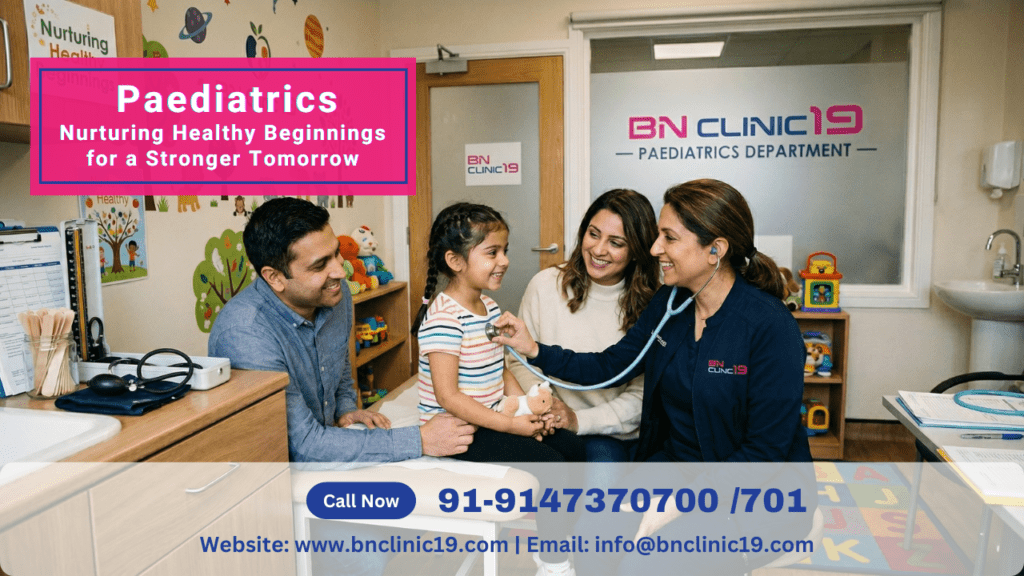
Paediatrics: Nurturing Healthy Beginnings for a Stronger Tomorrow

Childhood is more than just a phase of development. It serves as the foundation for a lifetime of good physical health, emotional stability, and mental resilience. Paediatrics specializes in this critical stage of life, addressing the medical, developmental, and emotional needs of infants, children, and adolescents. At BN Clinic 19, pediatric care goes beyond just treating illnesses. It is about understanding children, assisting parents, and ensuring that every child has the best possible start. Why Paediatric Care Is Different Children are not simply “small adults.” Their bodies grow rapidly, their immune systems are still developing, and their emotional needs are constantly evolving. A fever, cough, or nutritional issue in a child requires a very different approach compared to an adult. Paediatricians are trained to recognize subtle signs that may otherwise go unnoticed and to intervene early before minor issues turn into major concerns. At BN Clinic 19, paediatric care is built around age-appropriate diagnosis, gentle examination, and treatment plans designed specifically for growing bodies. This specialized approach ensures both safety and effectiveness at every stage of development. From Newborn Care to Adolescence Paediatrics covers a wide spectrum of care, starting from the first days of life. Newborn care focuses on feeding guidance, growth monitoring, vaccination planning, and identifying early health concerns. As children grow, attention shifts to nutrition, immunity, physical development, learning milestones, and behavioral health. Adolescence brings its own challenges, including hormonal changes, emotional stress, academic pressure, and lifestyle habits. Paediatric care during these years plays a vital role in guiding teenagers toward healthy routines while addressing concerns such as growth delays, nutritional deficiencies, or mental well-being. BN Clinic 19 ensures continuity of care across all these stages, allowing families to build a trusted, long-term relationship with their child’s healthcare provider. Preventive Care: The Heart of Paediatrics One of the most powerful aspects of paediatrics is prevention. Regular health check-ups, growth tracking, and timely vaccinations protect children from preventable diseases and help identify potential risks early. Preventive care also includes nutritional counseling, sleep guidance, and advice on physical activity, all tailored to a child’s age and lifestyle. At BN Clinic 19, parents are encouraged to see paediatric visits not just as a response to illness, but as an ongoing partnership aimed at keeping children healthy, active, and confident. Supporting Parents Every Step of the Way Raising a child comes with questions, doubts, and moments of anxiety. Is my child growing normally? Is this illness serious? Am I feeding them right? Paediatrics is as much about reassuring parents as it is about treating children. The paediatric team at BN Clinic 19 believes in clear communication, patient listening, and compassionate guidance. Parents are educated about their child’s condition, treatment options, and long-term care, empowering them to make informed decisions with confidence. A Child-Friendly Healing Environment A clinical setting can feel intimidating to a child. Fear and anxiety often make medical visits stressful for both children and parents. BN Clinic 19 places strong emphasis on creating a warm, child-friendly environment where young patients feel safe and comfortable. Gentle interaction, calm explanations, and a reassuring atmosphere help build trust and reduce fear, making healthcare a positive experience.   Building Healthy Futures Healthy children grow into healthy adults. Paediatric care plays a critical role in shaping physical strength, emotional resilience, and lifelong health habits. Early intervention, preventive care, and consistent monitoring can significantly improve long-term outcomes and quality of life. At BN Clinic 19, paediatrics is not just a department. It is a commitment to nurturing young lives with expertise, empathy, and dedication. By focusing on comprehensive child care today, the clinic helps build a healthier, stronger generation for tomorrow.  

Paediatrics: Nurturing Healthy Beginnings for a Stronger Tomorrow Read More »

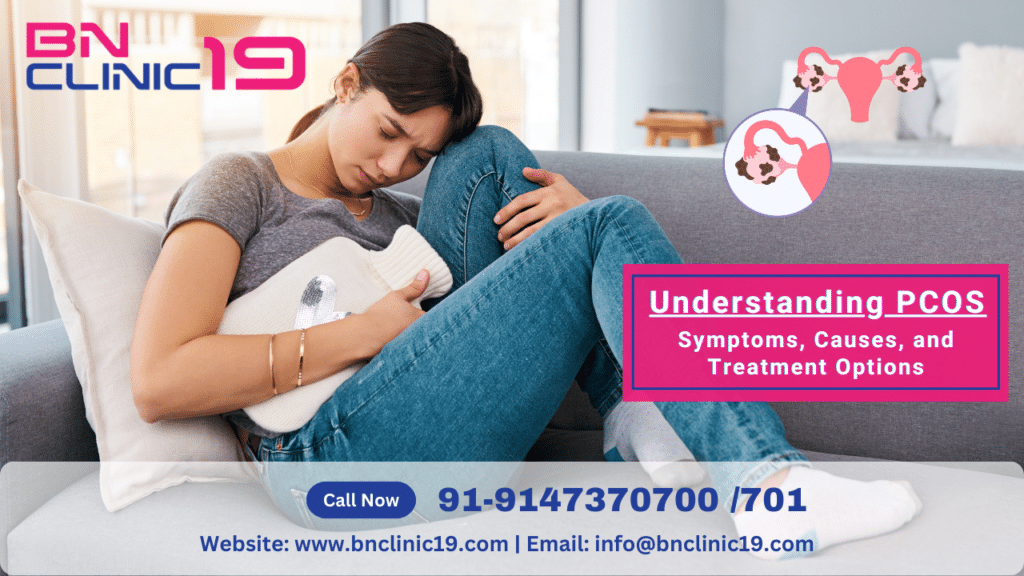
Understanding PCOS: Symptoms, Causes, and Treatment Options

  What Is PCOS and Why It Is Important to Understand It Polycystic Ovary Syndrome, commonly known as PCOS, is one of the most common hormonal disorders affecting women of reproductive age. It is a complex condition that affects the ovaries, hormones, metabolism, and overall health. PCOS can impact menstrual cycles, fertility, weight, skin health, and emotional well-being. Despite being very common, many women remain undiagnosed or unaware of the condition. Early understanding and diagnosis are important because untreated PCOS can lead to serious long-term health complications. The condition is closely associated with hormonal imbalance, particularly involving excess androgens, which are male hormones present in small amounts in females. The ovaries may also develop multiple small follicles, which can affect normal ovulation. Medical organizations such as the World Health Organization recognize PCOS as a significant health concern affecting millions of women worldwide. Understanding PCOS helps women recognize symptoms early and seek appropriate treatment to manage the condition effectively and maintain long term health. Understanding How PCOS Affects the Female Body PCOS primarily affects the endocrine system, which controls hormone production and regulation. Hormones play a critical role in regulating menstrual cycles, ovulation, metabolism, and reproductive health. In women with PCOS, hormone levels become imbalanced, especially androgens and insulin. Elevated androgen levels interfere with the normal development and release of eggs from the ovaries. This can lead to irregular or absent ovulation, which affects fertility. Insulin resistance is another common feature of PCOS, where the body cannot use insulin effectively. This leads to increased insulin levels, which further disrupt hormone balance and contribute to symptoms such as weight gain and irregular periods. The condition also affects metabolism, increasing the risk of diabetes and cardiovascular problems. Understanding how PCOS affects the body helps explain why symptoms vary widely among different individuals. Common Symptoms of PCOS Every Woman Should Know PCOS symptoms can vary in severity and may develop gradually over time. One of the most common symptoms is irregular menstrual cycles. Women with PCOS may experience infrequent periods, prolonged cycles, or complete absence of periods. Excess androgen levels can cause physical symptoms such as acne, excessive facial or body hair, and thinning hair on the scalp. Weight gain or difficulty losing weight is also common due to insulin resistance. Some women experience darkened skin patches, particularly around the neck or underarms. PCOS can also cause fertility problems because irregular ovulation makes it difficult to conceive. Other symptoms include fatigue, mood changes, and difficulty maintaining healthy weight. Recognizing these symptoms early helps women seek medical evaluation and treatment before complications develop. Major Causes and Risk Factors of PCOS The exact cause of PCOS is not fully understood, but several factors contribute to its development. Genetics play a significant role, as women with a family history of PCOS are more likely to develop the condition. Hormonal imbalance is another major factor. Excess androgen production disrupts normal ovulation and menstrual cycles. Insulin resistance is strongly linked to PCOS and contributes to hormonal imbalance. When the body produces excess insulin, it stimulates the ovaries to produce more androgens. Inflammation may also contribute to PCOS development. Chronic low grade inflammation can stimulate androgen production and worsen symptoms. Lifestyle factors such as poor diet, lack of exercise, and obesity can increase the risk and severity of PCOS. These factors interact with genetic and hormonal influences to cause the condition. How PCOS Affects Menstrual Cycles and Fertility PCOS directly affects ovulation, which is essential for regular menstrual cycles and fertility. In a normal cycle, hormones regulate the development and release of an egg from the ovary. In PCOS, hormonal imbalance prevents proper egg development and release. This results in irregular or absent ovulation. Without ovulation, menstrual cycles become irregular or stop completely. Fertility is affected because pregnancy requires the release of a healthy egg. Women with PCOS may find it difficult to conceive naturally. However, it is important to understand that PCOS does not mean infertility. With proper treatment and medical support, many women with PCOS successfully conceive and have healthy pregnancies. The Role of Insulin Resistance in PCOS Insulin resistance is a key factor in PCOS. Insulin is a hormone that helps regulate blood sugar levels. In insulin resistance, the body’s cells do not respond properly to insulin. As a result, the body produces more insulin to compensate. High insulin levels stimulate the ovaries to produce excess androgens. This worsens hormonal imbalance and contributes to symptoms such as weight gain, acne, and irregular periods. Insulin resistance also increases the risk of type 2 diabetes. Managing insulin levels through diet, exercise, and medical treatment is an important part of PCOS management. Improving insulin sensitivity helps restore hormonal balance and reduce symptoms. How PCOS Is Diagnosed by Medical Professionals PCOS diagnosis involves a combination of medical history, physical examination, and laboratory tests. Doctors evaluate menstrual history, symptoms, and physical signs such as excessive hair growth or acne. Blood tests are used to measure hormone levels and identify imbalances. Ultrasound imaging may be used to examine the ovaries and detect the presence of multiple follicles. Diagnosis typically follows criteria established by organizations such as the American College of Obstetricians and Gynecologists, which consider symptoms, hormone levels, and ovarian appearance. Accurate diagnosis ensures that appropriate treatment can be started to manage symptoms and prevent complications. Lifestyle Changes as the First Line of PCOS Treatment Lifestyle changes are often the first and most important step in managing PCOS. Healthy eating helps regulate insulin levels and support hormone balance. A balanced diet rich in whole foods, vegetables, lean proteins, and healthy fats can improve symptoms. Regular exercise improves insulin sensitivity and helps manage weight. Even modest weight loss can significantly improve menstrual regularity and hormone balance. Stress management is also important because stress affects hormone levels. Lifestyle changes improve overall health and reduce PCOS symptoms naturally. These changes are often recommended as the foundation of PCOS treatment. Medical Treatment Options for Managing PCOS Medical treatment may be necessary depending on symptoms and individual

Understanding PCOS: Symptoms, Causes, and Treatment Options Read More »

First Trimester Screening in Pregnancy: Why Early Risk Assessment Is a Crucial Step in Prenatal Care

Pregnancy is a journey defined by invisible beginnings. Long before the first movements are felt or the baby bump becomes visible, an extraordinary process is unfolding within the womb. During the first trimester, which lasts until the end of the 12th week, the baby’s brain, heart, spine, and vital organs begin forming rapidly. This phase is not only foundational but also the most sensitive period of fetal development. Because of this, early medical evaluation becomes essential to ensure that everything is progressing normally. First trimester screening is one of the most important prenatal assessments performed during this time. It combines ultrasound imaging and maternal blood tests to evaluate the risk of chromosomal abnormalities and developmental conditions. This screening does not diagnose disorders but identifies whether the pregnancy falls into a low-risk or higher-risk category, helping doctors determine if further evaluation is needed. When conducted in an experienced prenatal care setting such as BN Clinic, first-trimester screening provides accurate and meaningful insights that help guide pregnancy care. Early risk assessment empowers expecting parents with knowledge, reduces uncertainty, and ensures timely medical support when necessary, laying the foundation for safer pregnancies and healthier outcomes. Understanding What First Trimester Screening Is and What It Evaluates First trimester screening is a specialized prenatal evaluation performed between 11 weeks and 13 weeks and 6 days of pregnancy. It is designed to assess the likelihood that the fetus may have chromosomal abnormalities such as Down syndrome, trisomy 18, or trisomy 13. This screening uses a combination of ultrasound measurements and biochemical markers found in the mother’s blood to calculate risk. These results are then interpreted alongside factors such as maternal age and gestational age to generate an overall risk estimate. It is important to understand that screening does not provide a definitive diagnosis. Instead, it identifies pregnancies that may require closer monitoring or additional diagnostic testing. The purpose of screening is to provide early clarity, allowing healthcare providers and parents to make informed decisions based on reliable medical information. This early evaluation is considered a standard and essential component of modern prenatal care. Why Timing Between 11 and 13 Weeks Is Critical for Accurate Screening The effectiveness of first trimester screening depends heavily on performing it within the correct timeframe. The period between 11 weeks and 13 weeks and 6 days is ideal because specific developmental markers can be measured accurately during this window. Before this stage, the fetus may not be developed enough for reliable evaluation. After this window, certain markers may no longer provide useful information. Accurate timing ensures that ultrasound measurements and biochemical markers reflect fetal development correctly. Early screening also allows enough time for further diagnostic procedures if needed, without delaying important medical decisions. This timing provides both clinical accuracy and emotional reassurance, ensuring that pregnancy care progresses with clarity and preparedness. The Role of the Nuchal Translucency Ultrasound in Early Detection One of the most important components of first trimester screening is the nuchal translucency ultrasound. This scan measures the thickness of fluid at the back of the fetus’s neck. While a small amount of fluid is normal, increased thickness may indicate a higher risk of chromosomal abnormalities or structural conditions. The ultrasound also confirms the presence of a heartbeat, verifies gestational age, and checks whether there are multiple fetuses. This scan is completely safe and painless, using sound waves to create images of the developing baby. Accurate measurement requires proper fetal positioning, advanced imaging equipment, and experienced interpretation. In clinical practice, specialized prenatal diagnostic centers, including facilities such as BN Clinic, emphasize precise measurement techniques to ensure reliable screening results. This ultrasound plays a central role in evaluating early fetal development and contributes significantly to overall risk assessment. How Maternal Blood Tests Complement Ultrasound Findings The blood test component of first trimester screening evaluates specific biochemical markers that reflect placental and fetal health. These markers include pregnancy-associated plasma protein-A (PAPP-A) and human chorionic gonadotropin (hCG). These substances are naturally produced during pregnancy, and their levels provide valuable insight into how the pregnancy is progressing. Abnormal levels may indicate increased risk of chromosomal abnormalities or placental complications. The blood test is simple and safe, requiring only a small sample from the mother’s arm. When combined with ultrasound findings, these results improve the accuracy of screening significantly. This dual approach provides a more complete understanding of fetal development and helps doctors assess pregnancy risk more effectively. Conditions That First Trimester Screening Helps Identify First trimester screening primarily evaluates the risk of chromosomal abnormalities, including Down syndrome, trisomy 18, and trisomy 13. These conditions occur due to extra chromosomes and can affect physical growth, organ function, and cognitive development. Screening may also detect early signs of structural abnormalities, particularly those affecting the heart. While screening does not confirm these conditions, it helps identify pregnancies that may require further diagnostic evaluation. Early identification allows healthcare providers to monitor fetal development more closely and recommend appropriate medical care. Early awareness also gives parents time to understand potential risks and prepare emotionally and medically if additional care is needed. Accuracy and Reliability of First Trimester Screening First trimester screening is considered highly effective when performed correctly. It detects a large percentage of pregnancies that may have increased risk of chromosomal abnormalities. However, it is important to remember that screening provides probabilities, not definitive answers. A low-risk result does not guarantee the absence of a condition, and a higher-risk result does not confirm one. Accuracy depends on proper ultrasound technique, laboratory precision, and correct interpretation. Experienced prenatal diagnostic providers ensure that screening is conducted according to established medical standards. Facilities that routinely perform specialized prenatal evaluations, such as BN Clinic, focus on maintaining high accuracy in measurement and analysis, ensuring that results are reliable and clinically meaningful. Who Should Consider First Trimester Screening First trimester screening is recommended for all pregnant individuals, regardless of age or medical history. While certain factors, such as maternal age above 35 or family history of genetic conditions, may increase risk,

First Trimester Screening in Pregnancy: Why Early Risk Assessment Is a Crucial Step in Prenatal Care Read More »

Scroll to Top